California Faces Power Outages and Landslides Amid Severe Storm
Protective Relay Training - Basic
Our customized live online or in‑person group training can be delivered to your staff at your location.

- Live Online
- 12 hours Instructor-led
- Group Training Available
California Storm Outages and Landslides strain utilities, trigger flooding, road closures, and debris flows, causing widespread power cuts and infrastructure damage as emergency response teams race to restore service, clear slides, and support evacuations.
The Core Facts
California Storm Outages and Landslides are storm-driven power cuts and slope failures disrupting roads and utilities.
Tens of thousands without power across multiple counties.
High winds and flooding down lines, damage equipment, block roads.
Landslides close highways; debris removal limits emergency access.
Grid resilience, hardening, and storage investments urged by experts.
California is grappling with a dual crisis of power outages and landslides following a severe storm that has swept across the state. The latest reports indicate widespread disruptions affecting thousands of residents and significant infrastructure damage. This storm is not only a test of California's emergency response capabilities but also a stark reminder of the increasing vulnerability of the state to extreme weather events, and of the U.S. electric grid in the face of climate stressors.
Storm’s Impact on California
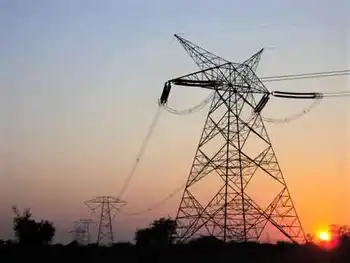
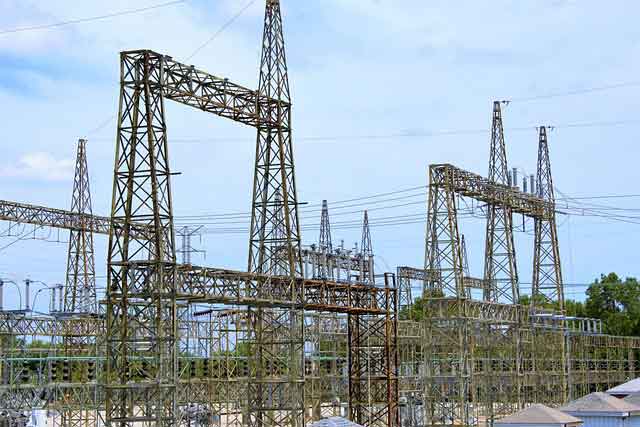
The recent storm, which hit California with unprecedented intensity, has unleashed torrential rain, strong winds, and widespread flooding. These severe weather conditions have overwhelmed the state’s infrastructure, leading to significant power outages that are affecting numerous communities. According to local utilities, tens of thousands of homes and businesses are currently without electricity. The outages have been exacerbated by the combination of heavy rain and gusty winds, which have downed power lines and damaged electrical equipment.
In addition to the power disruptions, the storm has triggered a series of landslides across various regions. The combination of saturated soil and intense rainfall has caused several hillside slopes to give way, leading to road closures and property damage. Emergency services are working around the clock to address the aftermath of these landslides, but access to affected areas remains challenging due to blocked roads and ongoing hazardous conditions.
Emergency Response and Challenges
California’s emergency response teams are on high alert as they coordinate efforts to manage the fallout from the storm. Utility companies are deploying repair crews to restore power as quickly as possible, but the extensive damage to infrastructure means that some areas may be without electricity for several days. The state’s Department of Transportation is also engaged in clearing debris from landslides and repairing damaged roads to ensure that emergency services can reach affected communities.
The response efforts are complicated by the scale of the storm’s impact. With many areas experiencing both power outages and landslides, the logistical challenges are immense. Emergency shelters have been set up to provide temporary refuge for those displaced by the storm, but the capacity is limited, and there are concerns about overcrowding and resource shortages.
Community and Environmental Implications
The storm’s impact on local communities has been profound. Residents are facing not only the immediate challenges of power outages and unsafe road conditions but also longer-term concerns about recovery and rebuilding. Many individuals have been forced to evacuate their homes, and local businesses are struggling to cope with the disruption.
Environmental implications are also significant. The landslides and flooding have caused considerable damage to natural habitats and have raised concerns about water contamination and soil erosion. The impact on the environment could have longer-term consequences for the state’s ecosystems and water supply.
Climate Change and Extreme Weather
This storm underscores a growing concern about the increasing frequency and intensity of extreme weather events linked to climate change. California has been experiencing a rise in severe weather patterns, including intense storms, prolonged droughts, and extreme heat waves that strain the grid. These changes are putting additional strain on the state’s infrastructure and emergency response systems.
Experts have pointed out that while individual storms cannot be directly attributed to climate change, the overall trend towards more extreme weather is consistent with scientific predictions. As such, there is a pressing need for California to invest in infrastructure improvements and resilience measures, and to consider accelerating its carbon-free electricity mandate to better withstand future events.
Looking Ahead
As California deals with the immediate aftermath of this storm, attention will turn to recovery and rebuilding efforts. The state will need to address the damage caused by power outages and landslides while also preparing for future challenges posed by climate change.
In the coming days, the focus will be on restoring power, clearing debris, and providing support to affected communities. Long-term efforts will likely involve reassessing infrastructure vulnerabilities, improving emergency response protocols, and investing in climate resilience measures across the grid.