Canada Finalizes Clean Electricity Regulations for 2050
High Voltage Maintenance Training Online
Our customized live online or in‑person group training can be delivered to your staff at your location.

- Live Online
- 12 hours Instructor-led
- Group Training Available
Canada Clean Electricity Regulations align climate policy with grid reliability, scaling renewables, energy storage, and low-carbon power to reach net-zero by 2050 while maintaining affordability through federal incentives, provincial flexibility, and investment.
The Big Picture
Nationwide rules to decarbonize power by 2050, capping emissions and protecting grid reliability and affordability.
Targets net-zero electricity by 2050 with flexible provincial paths
Maintains reliability and affordability amid rising power demand
Backed by $60B federal investments and market design updates
Projects 181 Mt CO2e cuts and 400k clean energy jobs by 2030
Canada's final Clean Electricity Regulations, unveiled in December 2024, alongside complementary provincial frameworks such as Ontario's clean electricity regulations that guide provincial implementation, represent a critical step toward ensuring a sustainable and reliable energy future. With electricity demand set to rise as the country’s population and economy grow, the Canadian government has put forward a robust plan that balances climate goals with the need for reliable, affordable power.
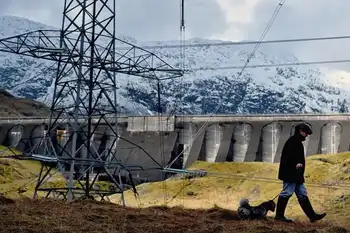
The regulations are designed to reduce greenhouse gas emissions from the electricity sector, which is already one of Canada's cleanest, with 85% of its electricity sourced from renewable energies like hydro, wind, and solar, and growing attention to clean grids and batteries nationwide. The target is to achieve net-zero emissions in electricity generation by 2050, a goal that will support the country’s broader climate ambitions.
One of the central goals of the Clean Electricity Regulations is to make sure that Canada’s power grid can accommodate future demand in light of a critical electrical supply crunch identified by analysts, while ensuring that emissions are cut effectively. The regulations set strict pollution limits but allow flexibility for provinces and territories to meet these goals in ways that suit their local circumstances. This approach recognizes the diverse energy resources across Canada, from the large-scale hydroelectric capacity in Quebec to the growing wind and solar projects in the West.
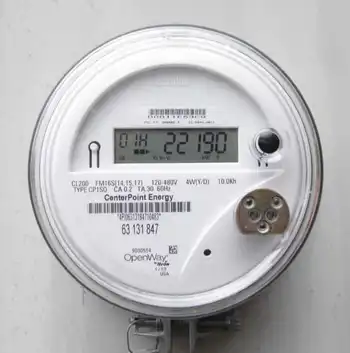
A key benefit of these regulations is the assurance that they will not result in higher electricity rates for most Canadians. In fact, according to government analyses, and resources like the online CER bill tool that explain how fees and usage affect charges, the regulations are expected to have a neutral or even slightly positive impact on electricity costs. This is due in part to significant federal investments in the electricity sector, totaling over $60 billion. These investments are intended to support the transition to clean electricity while minimizing costs for consumers.
The shift to clean electricity is also expected to generate significant savings for Canadian households. As energy prices continue to fluctuate, clean electricity, especially from renewable sources, is becoming more cost-competitive compared to fossil fuels. Over the next decade, this transition is expected to result in $15 billion in total savings for Canadians, with 84% of households projected to benefit from lower energy bills. The savings are a result of federal incentives aimed at encouraging the adoption of efficient electric appliances, vehicles, and heating systems.
Moreover, reducing emissions from the electricity sector will play a major role in cutting Canada’s overall greenhouse gas pollution. By 2050, it’s estimated that these regulations will reduce nearly 181 megatonnes of emissions, which is equivalent to removing over 55 million cars from the road. This is a crucial step in meeting Canada’s climate targets and mitigating the impacts of climate change, such as extreme weather events, which have already led to significant economic losses.
The economic benefits extend beyond savings on energy bills. The regulations and the broader clean electricity strategy will create substantial job opportunities. The clean energy sector, which includes jobs in wind, solar, and nuclear power, is poised for massive growth, and provinces like Alberta have outlined a path to clean electricity to support that momentum. It’s estimated that by 2030, the transition to clean electricity could create 400,000 new jobs, with further job growth projected for the years to come. These jobs are expected to include roles in both the construction and operation of new energy infrastructure, many of which will be unionized positions offering good wages and benefits.
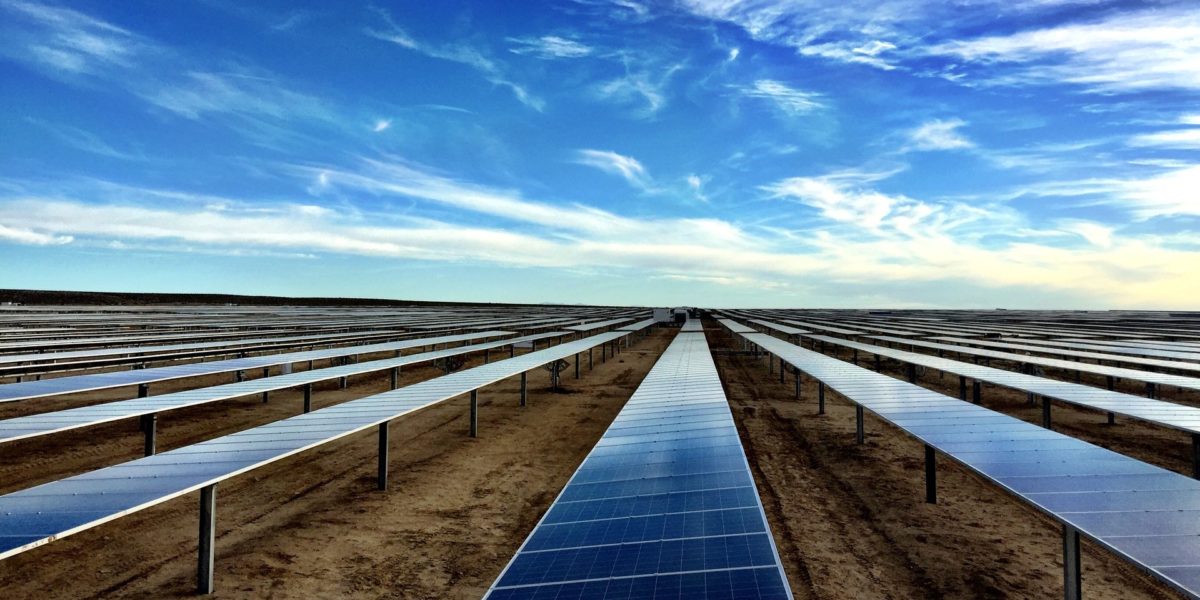
To help meet the rising demand for clean energy, the government’s strategy emphasizes technological innovation and the integration of new energy sources, including market design updates such as proposed market changes that can enable investment. Renewable energy technologies such as wind and solar power have become increasingly cost-competitive, and their continued development is expected to reduce the overall cost of electricity generation. The regulations also encourage the adoption of energy storage solutions, which are essential for managing the intermittent nature of renewable energy sources.
In addition to the environmental and economic benefits, the Clean Electricity Regulations will help improve public health. Air pollution from fossil fuel power generation is a major contributor to respiratory illnesses and other health issues. By transitioning to clean energy sources, Canada can reduce harmful air pollutants, leading to better health outcomes and a lower burden on the healthcare system.
As Canada moves toward a net-zero electricity grid, including the federal 2035 target that some have criticized as changing goalposts in Saskatchewan, the Clean Electricity Regulations represent a comprehensive and flexible approach to managing the energy transition. With significant investments in clean energy technologies and the adoption of policies that ensure affordable electricity for all Canadians, the government is setting the stage for a cleaner, more sustainable future. These efforts will not only help Canada meet its climate goals but also create a thriving clean energy economy that benefits workers, businesses, and families across the country.