Biden's Climate Law Is Working, and Not Working
CSA Z462 Arc Flash Training – Electrical Safety Compliance Course
Our customized live online or in‑person group training can be delivered to your staff at your location.

- Live Online
- 6 hours Instructor-led
- Group Training Available
Inflation Reduction Act Clean Energy drives EV adoption and renewable power, but grid interconnection, permitting, and supply chain bottlenecks slow wind, solar, and offshore projects, risking emissions targets despite domestic manufacturing growth and tax incentives.
Breaking Down the Details
An IRA push to scale EVs and renewables, meeting EV goals but lagging wind and solar amid grid and permitting delays.
EVs hit 9.2% of U.S. new car sales in 2023; growth may moderate.
Needs 70-126 GW/yr in 2025-2030; 32.3 GW in 2023 underscores the lag.
Grid interconnection, permits, and local opposition slow projects.
$44B in U.S. clean-energy manufacturing investment last year.
A year and a half following President Biden's enactment of an ambitious climate change bill, the landscape of the United States' clean energy transition, shaped by 2021 electricity lessons, presents a mix of successes and challenges. A recent study by a consortium of research organizations highlights that while electric vehicle (EV) sales have surged, aligning with the law's projections, the expansion of renewable energy sources like wind and solar has encountered significant hurdles.
The legislation, known as the Inflation Reduction Act, aimed for a dual thrust in America's climate strategy: boosting EV adoption, alongside EPA emission limits, and significantly increasing the generation of electricity from renewable resources. The Act, passed in 2022, was anticipated to propel the United States toward reducing its greenhouse gas emissions by approximately 40 percent from 2005 levels by the end of this decade, backed by extensive financial incentives for clean energy advancements.
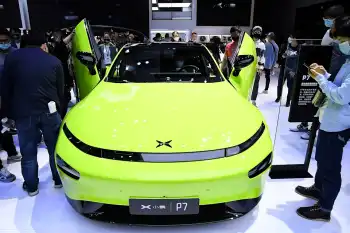
Electric vehicle sales have indeed seen a remarkable uptick, with a more than 50 percent increase over the past year, as EV sales surge into 2024 across the market, culminating in EVs comprising 9.2 percent of all new car sales in the United States in 2023. This growth trajectory met the upper range of analysts' predictions post-law enactment, signaling a strong start toward achieving the Act's emission reduction targets.
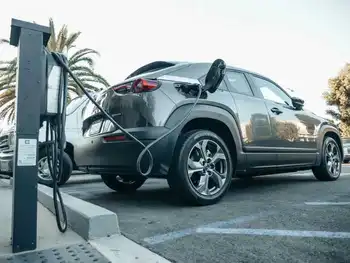
However, the EV market faces uncertainties regarding the sustainability of this rapid growth. The initial surge in sales was largely driven by early adopters, and the market now confronts challenges such as high prices and limited charging infrastructure, while EVs still trail gas cars in overall market share. Despite these concerns, projections suggest that even a slowdown to 30-40 percent growth in EV sales for 2024 would align with the law's emission goals.
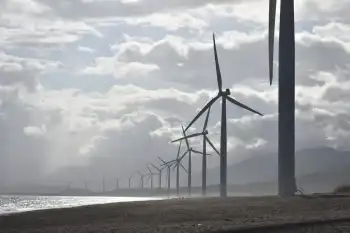
The renewable energy sector's progress is less straightforward. Despite achieving a record addition of 32.3 gigawatts of clean electricity capacity in the past year, the pace falls short of the projected 46 to 79 gigawatts needed annually to meet the United States' climate objectives. While there is potential for about 60 gigawatts of projects in the pipeline for this year, not all are expected to materialize on schedule, indicating a lag in the deployment of new renewable energy sources.
Logistical challenges are a significant barrier to scaling up renewable energy, especially as EV-driven electricity demand rises in the coming years. Lengthy grid connection processes, permitting delays, and local opposition hinder wind and solar project developments. Moreover, ambitious plans for offshore wind farms are hampered by supply chain issues and regulatory constraints.
To achieve the Inflation Reduction Act's ambitious targets, the United States needs to add 70 to 126 gigawatts of renewable capacity annually from 2025 to 2030—a formidable task given the current logistical and regulatory bottlenecks. The analysis underscores the urgency of addressing these non-cost barriers to unlock the full potential of the law's clean energy and emissions reduction ambitions.
In addition to promoting clean energy generation and EV adoption, the Inflation Reduction Act has spurred domestic manufacturing of clean energy technologies. With $44 billion invested in U.S. clean-energy manufacturing last year, this aspect of the law has seen considerable success, and permanent clean energy tax credits are being debated to sustain momentum, demonstrating the Act's capacity to drive economic and industrial transformation.
The law's impact extends to emerging clean energy technologies, offering tax incentives for advanced nuclear reactors, renewable hydrogen production, and carbon capture and storage projects. While these initiatives hold promise for further emissions reductions, their development and deployment are still in the early stages, with tangible outcomes expected in the longer term.
While the Inflation Reduction Act has catalyzed significant strides in certain areas of the United States' clean energy transition, including an EV inflection point in adoption trends, it faces substantial hurdles in fully realizing its objectives. Overcoming logistical, regulatory, and market challenges will be crucial for the nation to stay on course toward its ambitious climate goals, underscoring the need for continued innovation, investment, and policy refinement in the journey toward a sustainable energy future.