Berlin Launches Electric Flying Ferry
NFPA 70b Training - Electrical Maintenance
Our customized live online or in‑person group training can be delivered to your staff at your location.

- Live Online
- 12 hours Instructor-led
- Group Training Available
Berlin Flying Electric Ferry drives sustainable urban mobility with zero-emission water transit, advanced electric propulsion, quiet operations, and smart-city integration, easing congestion, improving air quality, and connecting waterways for efficient, climate-aligned public transport.
Story Summary
A zero-emission electric ferry for Berlin's waterways, cutting congestion and pollution to advance sustainable mobility.
Zero tailpipe emissions; reduces GHGs and local air pollutants.
Advanced electric propulsion and navigation for safety and efficiency.
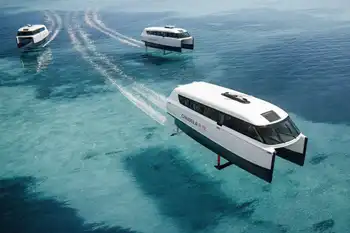
Hydrofoil design cuts drag, boosts speed, and lowers energy use.
Eases road congestion by shifting trips to Berlin's waterways.
Berlin has taken a groundbreaking step toward sustainable urban mobility with the introduction of its innovative flying electric ferry. This pioneering vessel, designed to revolutionize water-based transportation, represents a significant leap forward in eco-friendly travel options and reflects the city’s commitment to addressing climate change, complementing its zero-emission bus fleet initiatives while enhancing urban mobility.
A New Era of Urban Transport
The flying electric ferry, part of a broader initiative to modernize transportation in Berlin, showcases cutting-edge technology aimed at reducing carbon emissions and improving efficiency in urban transit, and mirrors progress seen with hybrid-electric ferries in the U.S.
Equipped with advanced electric propulsion systems, the ferry operates quietly and emits zero emissions during its journeys, making it an environmentally friendly alternative to traditional diesel-powered boats.
This innovation is particularly relevant for cities like Berlin, where water transportation can play a crucial role in alleviating congestion on roads and enhancing overall mobility. The ferry is designed to navigate the city’s extensive waterways, providing residents and visitors with a unique and efficient way to traverse the urban landscape.
Features and Design
The ferry’s design emphasizes both functionality and comfort. Its sleek, aerodynamic shape minimizes resistance in the water, allowing for faster travel times while consuming less energy, similar to emerging battery-electric high-speed ferries now under development in the U.S. Additionally, the vessel is equipped with state-of-the-art navigation systems that ensure safety and precision during operations.
Passengers can expect a comfortable onboard experience, complete with spacious seating and amenities designed to enhance their journey. The ferry aims to offer an enjoyable ride while contributing to Berlin’s vision of a sustainable and interconnected transportation network.
Addressing Urban Challenges
Berlin, like many major cities worldwide, faces significant challenges related to transportation, including traffic congestion, pollution, and the need for efficient public transit options. The introduction of the flying electric ferry aligns with the city’s goals to promote greener modes of transportation and reduce reliance on fossil fuels, as seen with B.C.'s electric ferries supported by public investment.
By offering an alternative to conventional commuting methods and complementing battery-electric buses deployments in Toronto that expand zero-emission options, the ferry has the potential to significantly reduce the number of vehicles on the roads. This shift could lead to lower traffic congestion levels, improved air quality, and a more pleasant urban environment for residents and visitors alike.
Economic and Environmental Benefits
The economic implications of the flying electric ferry are equally promising. As an innovative mode of transportation, it can attract tourism and stimulate local businesses near docking areas, especially as ports adopt an all-electric berth model that reduces local emissions. Increased accessibility to various parts of the city may lead to greater foot traffic in commercial districts, benefiting retailers and service providers.
From an environmental standpoint, the ferry contributes to Berlin’s commitment to achieving climate neutrality. The city has set ambitious targets to reduce greenhouse gas emissions, and the implementation of electric vessels is a key component of this strategy. By prioritizing clean energy solutions, Berlin is positioning itself as a leader in sustainable urban transport.
A Vision for the Future
The introduction of the flying electric ferry is not merely a technological advancement; it represents a vision for the future of urban mobility. As cities around the world grapple with the impacts of climate change and the need for sustainable infrastructure, Berlin’s innovative approach could serve as a model for other urban centers looking to enhance their transportation systems, alongside advances in electric planes that could reshape regional travel.
Furthermore, this initiative is part of a broader trend toward electrification in the maritime sector. With advancements in battery technology and renewable energy sources, electric ferries and boats are becoming more viable options for urban transportation. As more cities embrace these solutions, the potential for cleaner, more efficient public transport grows.
Community Engagement and Education
To ensure the success of the flying electric ferry, community engagement and education will be vital. Residents must be informed about the benefits of using this new mode of transport, and outreach efforts can help build excitement and awareness around its launch. By fostering a sense of ownership among the community, the ferry can become an integral part of Berlin’s transportation landscape.