Renewables generated more electricity than brown coal over summer, report finds
CSA Z462 Arc Flash Training – Electrical Safety Compliance Course
Our customized live online or in‑person group training can be delivered to your staff at your location.

- Live Online
- 6 hours Instructor-led
- Group Training Available
Renewables Beat Brown Coal in Australia, as solar and wind surged to nearly 10,000 GWh, stabilizing the grid with battery storage during peak demand, after Hazelwood's closure, Green Energy Markets reported.
What You Need to Know
It describes a 2017-18 summer when solar, wind, and storage generated more electricity than brown coal in Australia.
Renewables nearly 10,000 GWh vs brown coal just over 9,100 GWh.
Solar and wind met peak demand; batteries stabilized grid performance.
Produced 32% more than brown coal from 11am to 7pm summer peaks.
5,000 MW of large-scale projects underway, supporting 17,445 jobs.
Event followed Hazelwood closure; renewables 40% above gas output.
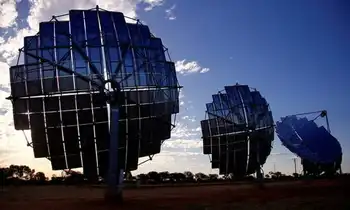
Renewable energy generated more electricity than brown coal during Australia’s summer for the first time in 2017-18, according to a new report by Green Energy Markets.
Continued growth in solar, as part of Australia's energy transition, pushed renewable generation in Australia to just under 10,000 gigawatt hours between December 2017 and February 2018. With the Hazelwood plant knocked out of the system last year, brown coal’s output in the same period was just over 9,100 GWh.
Renewables produced 40% more than gas over the period, and was exceeded only by black coal, reflecting trends seen in U.S. renewables surpassing coal in 2022.
#google#
The report, commissioned by GetUp, found renewables were generating particularly large amounts of electricity when it was most needed, producing 32% more than brown coal during summer between 11am and 7pm, when demand peaks.
Coal in decline: an energy industry on life support
Solar in particular was working to support the system, on average producing more than Hazelwood was capable of producing between 9am and 5pm.
A further 5,000 megawatts of large-scale renewables projects was under construction in February, supporting 17,445 jobs, while renewables became the second-most prevalent U.S. electricity source in 2020.
GetUp’s campaign director, Miriam Lyons, said the latest renewable energy index showed renewables were keeping the lights on while coal became increasingly unreliable, a trend echoed as renewables surpassed coal in the U.S. in recent years.
“Over summer renewables kept houses cool and lights on during peak demand times when people needed electricity most,” Lyons said. “Meanwhile dirty old coal plants are becoming increasingly unreliable in the heat.
“These ageing clunkers failed 36 times over summer.
“Clean energy rescued people from blackouts this summer. When the clapped-out Loy Yang coal plant tripped, South Australia’s giant Tesla battery reacted in milliseconds to keep the power on.
“It’s clear that a smart electricity grid based on a combination of renewable energy and storage is the best way to deliver clean, affordable energy for all Australians.”