UK Energy Industry Divided Over Free Electricity Debate
Protective Relay Training - Basic
Our customized live online or in‑person group training can be delivered to your staff at your location.
- Live Online
- 12 hours Instructor-led
- Group Training Available
UK Free Electricity Debate weighs soaring energy prices against market regulation, renewables, and social equity, examining price caps, funding via windfall taxes, grid investment, and consumer protection in the UK's evolving energy policy landscape.
What's Going On
A policy dispute over free power, balancing consumer relief with market stability, renewables, and investment.
Energy prices surged from geopolitics, supply shocks, and COVID-19.
Supporters cite relief, efficiency, and green adoption incentives.
Critics warn of funding gaps, market distortion, and weaker investment.
Policy options include decoupling gas-power prices and targeted aid.
In recent months, the debate over free electricity in the UK has intensified, revealing a divide within the energy sector. With soaring energy prices and economic pressures impacting consumers, the discussion around providing free electricity has gained traction. However, the idea has sparked significant controversy among industry stakeholders, each with their own perspectives on the feasibility and implications of such a move.
The Context of Rising Energy Costs
The push for free electricity is rooted in the UK’s ongoing energy crisis, exacerbated by geopolitical tensions, supply chain disruptions, and the lingering effects of the COVID-19 pandemic. As energy prices reached unprecedented levels, households faced the harsh reality of skyrocketing bills, prompting calls for government intervention to alleviate financial burdens.
Supporters of free electricity argue that it could serve as a vital lifeline for struggling families and businesses. The proposal suggests that by providing a certain amount of electricity for free, the government could help mitigate the effects of rising costs while encouraging energy conservation and efficiency.
Industry Perspectives
However, the notion of free electricity has not been universally embraced within the energy sector. Some industry leaders express concerns about the financial viability of such a scheme. They argue that providing free electricity could undermine the market dynamics that incentivize investment in infrastructure and renewable energy, in a market already exposed to natural gas price volatility today. Critics warn that if energy companies are forced to absorb costs, it could lead to diminished service quality and investment in necessary advancements.
Additionally, there are worries about how free electricity could be funded. Proponents suggest that a tax on energy companies could generate the necessary revenue, but opponents question whether this would stifle innovation and competition. The fear is that placing additional financial burdens on energy providers could ultimately lead to higher prices in the long run.
Renewable Energy and Sustainability
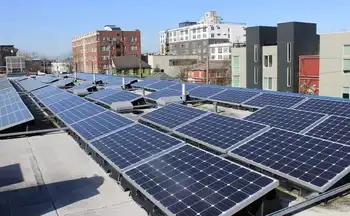
Another aspect of the debate centers around the UK’s commitment to transitioning to renewable energy sources. Supporters of free electricity emphasize that such a policy could encourage more widespread adoption of green technologies by making energy more accessible. They argue that by removing the financial barriers associated with energy costs, households would be more inclined to invest in solar panels, heat pumps, and other sustainable solutions.
On the other hand, skeptics contend that the focus should remain on ensuring a stable and reliable energy supply as the UK moves toward its climate goals. They caution against implementing policies that might disrupt the balance of the energy market, potentially hindering the necessary investments in renewable infrastructure.
Government's Role
As discussions unfold, the government’s role in this debate is crucial. Policymakers must navigate the complex landscape of energy regulation, market dynamics, and consumer needs. The government has already introduced measures aimed at assisting vulnerable households, such as energy price caps and direct financial support. However, the question remains whether these initiatives go far enough in addressing the root causes of the energy crisis.
In this context, the government faces pressure from both consumers demanding relief and industry leaders advocating for market stability, including proposals to end the link between gas and electricity prices to curb price volatility. The challenge lies in finding a middle ground that balances immediate support for households with long-term sustainability and investment in the energy sector.
Future Implications
The ongoing debate about free electricity in the UK underscores broader themes related to energy policy, market regulation, and social equity, with rising electricity prices abroad offering context for comparison. As the country navigates its energy transition, the decisions made today will have far-reaching implications for both consumers and the industry.
If the government chooses to pursue a model that includes free electricity, it will need to carefully consider how to implement such a system without jeopardizing the market. Transparency, stakeholder engagement, and thorough impact assessments will be essential to ensure that any new policies are sustainable and equitable.
Conversely, if the concept of free electricity is ultimately rejected, the focus will likely shift back to addressing energy costs through other means, such as enhancing energy efficiency programs or increasing support for vulnerable populations.
The divide within the UK’s energy industry regarding free electricity highlights the complexities of balancing consumer needs with market stability. As the energy crisis continues to unfold, the conversations surrounding this issue will remain at the forefront of public discourse. Ultimately, finding a solution that addresses the immediate challenges while promoting a sustainable energy future will be key to navigating this critical juncture in the UK’s energy landscape.