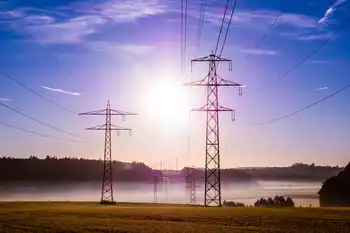
UK Lockdown knocks daily electricity demand by 10 per cent
NFPA 70b Training - Electrical Maintenance
Our customized live online or in‑person group training can be delivered to your staff at your location.

- Live Online
- 12 hours Instructor-led
- Group Training Available
Britain Electricity Demand During Lockdown is around 10 percent lower, as industrial consumers scale back. National Grid reports later morning peaks and continues balancing system frequency and voltage to maintain grid stability.
How It All Fits Together
Measured drop in UK power use, later morning peaks, and grid actions to keep frequency and voltage within safe limits.
Daily demand about 10 percent lower since lockdown.
Morning peak down nearly 18 percent and occurs later.
National Grid balances frequency and voltage using flexible resources.
Daily electricity demand in Britain is around 10% lower than before the country went into lockdown last week due to the coronavirus outbreak, data from grid operator National Grid showed on Tuesday.
The fall is largely due to big industrial consumers using less power across sectors, the operator said.
Last week, Prime Minister Boris Johnson ordered Britons to stay at home to halt the spread of the virus, imposing curbs on everyday life without precedent in peacetime.
Morning peak demand has fallen by nearly 18% compared to before the lockdown was introduced and the normal morning peak is later than usual because the times people are getting up are later and more spread out with fewer travelling to work and school, a pattern also seen in Ottawa during closures, National Grid said.
Even though less power is needed overall, the operator still has to manage lower demand for electricity, as well as peaks, amid occasional short supply warnings from National Grid, and keep the frequency and voltage of the system at safe levels.
Last August, a blackout cut power to one million customers and caused transport chaos as almost simultaneous loss of output from two generators caused by a lightning strike caused the frequency of the system to drop below normal levels, highlighting concerns after the emergency energy plan stalled.
National Grid said it can use a number of tools to manage the frequency, such as working with flexible generators to reduce output or draw on storage providers to increase demand, and market conditions mean peak power prices have spiked at times.