Trump's Pledge to Scrap Offshore Wind Projects
NFPA 70b Training - Electrical Maintenance
Our customized live online or in‑person group training can be delivered to your staff at your location.

- Live Online
- 12 hours Instructor-led
- Group Training Available
Trump Offshore Wind Pledge signals a push for deregulation over renewable energy, challenging climate policy, green jobs, and coastal development while citing marine ecosystems, navigation, and energy independence amid state-federal permitting and legal hurdles.
Key Information
Trump's vow to cancel offshore wind projects favors deregulation and fossil fuels, impacting climate policy and jobs.
Pledge targets day-one cancellation of offshore wind leases and projects.
Cites aesthetics, navigation safety, and marine ecosystem concerns.
Clashes with state-federal permitting, leasing, and NEPA review processes.
Risk to green jobs, 1 GW deployment goals, and climate targets.
Faces legal challenges; Biden agenda backs offshore wind expansion.
During his tenure as President of the United States, Donald Trump made numerous promises and policy proposals, many of which sparked controversy and debate. One such pledge was his vow to scrap offshore wind projects on "day one" of his presidency. This bold statement, while appealing to certain interests, raised concerns about its potential impact on U.S. offshore wind growth and environmental conservation efforts.
Trump's opposition to offshore wind projects stemmed from various factors, including his skepticism towards renewable energy, even as forecasts point to a $1 trillion offshore wind market in coming years, concerns about aesthetics and property values, and his focus on promoting traditional energy sources like coal and oil. Throughout his presidency, Trump prioritized deregulation and sought to roll back environmental policies introduced by previous administrations, arguing that they stifled economic growth and hindered American energy independence.
The prospect of scrapping offshore wind projects drew mixed reactions from different stakeholders. Supporters of Trump's proposal pointed to potential benefits such as preserving scenic coastal landscapes, protecting marine ecosystems, and addressing concerns about navigational safety and national security. Critics, however, raised valid concerns about the implications of such a decision on the renewable energy sector, including progress toward getting 1 GW on the grid nationwide, climate change mitigation efforts, and job creation in the burgeoning green economy.
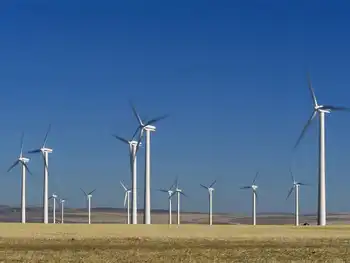
Offshore wind energy has emerged as a promising source of clean, renewable power with the potential to reduce greenhouse gas emissions and diversify the energy mix. Countries like Denmark, the United Kingdom, and Germany have made significant investments in offshore wind in Europe, demonstrating its viability as a sustainable energy solution. In the United States, offshore wind projects have gained traction in states like Massachusetts, New York, and New Jersey, where coastal conditions are conducive to wind energy generation.
Trump's pledge to scrap offshore wind projects on "day one" of his presidency raised questions about the feasibility and legality of such a move. While the president has authority over certain aspects of energy policy and regulatory oversight, the development of offshore wind projects often involves multiple stakeholders, including state governments, local communities, private developers, and federal agencies, and actions such as Interior's move on Vineyard Wind illustrate federal leverage in permitting. Any attempt to halt or reverse ongoing projects would likely face legal challenges and regulatory hurdles, potentially delaying or derailing implementation.
Moreover, Trump's stance on offshore wind projects reflected broader debates about the future of energy policy, environmental protection, and economic development. While some argued for prioritizing fossil fuel extraction and traditional energy infrastructure, others advocated for a transition towards clean, renewable energy sources, drawing on lessons from the U.K. about wind deployment, to mitigate climate change and promote sustainable development. The Biden administration, which succeeded the Trump presidency, has signaled a shift towards a more climate-conscious agenda, including support for renewable energy initiatives and commitments to rejoin international agreements like the Paris Climate Accord.
In hindsight, Trump's pledge to scrap offshore wind projects on "day one" of his presidency underscores the complexities of energy policy and the importance of balancing competing interests and priorities. While concerns about aesthetics, property values, and environmental impact are valid, addressing the urgent challenge of climate change requires bold action and innovation in the energy sector. Offshore wind energy presents an opportunity, as seen in the country's biggest offshore wind farm approved in New York, to harness the power of nature in a way that is both environmentally responsible and economically beneficial. As the United States navigates its energy future, finding common ground and forging partnerships will be essential to ensure a sustainable and prosperous tomorrow.