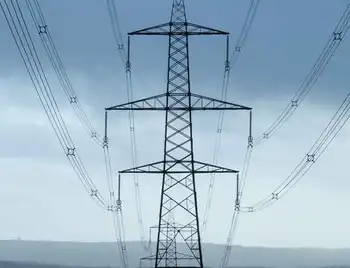
Strong Winds Knock Out Power Across Miami Valley
NFPA 70E Training
Our customized live online or in‑person group training can be delivered to your staff at your location.

- Live Online
- 6 hours Instructor-led
- Group Training Available
Miami Valley Windstorm Power Outages disrupted thousands as 60 mph gusts toppled trees, downed power lines, and damaged buildings. Utility crews and emergency services managed debris, while NWS alerts warned of extended restoration.
Context and Background
Region-wide power losses from severe winds in the Miami Valley, causing damage, debris, and restoration.
60 mph gusts toppled trees, downed lines, damaged structures
Thousands lost power; some outages lasted days
Crews cleared debris and repaired grid under hazardous winds
NWS alerts warned of prolonged restoration timelines
Residents urged to prep kits, generators, and contingency plans
On a recent day, powerful winds tore through the Miami Valley, causing significant disruption across the region. The storm, which was accompanied by gusts reaching dangerous speeds, led to windstorm power outages affecting thousands of homes and businesses. As trees fell and power lines were snapped, many residents found themselves without electricity for hours, and in some cases, even days.
The high winds, which were part of a larger weather system moving through the area, left a trail of destruction in their wake. In addition to power outages, there were reports of storm damage to buildings, vehicles, and other structures. The force of the wind uprooted trees, some of which fell on homes and vehicles, causing significant property damage. While the storm did not result in any fatalities, the destruction was widespread, with many communities experiencing debris-filled streets and blocked roads.
Utility companies in the Miami Valley, including Dayton Power & Light, quickly mobilized crews, similar to FPL's storm response in major events, to begin restoring power to the affected areas. However, the high winds presented a challenge for repair crews, as downed power lines and damaged equipment made restoration efforts more difficult. Many customers were left waiting for hours or even days for their power to be restored, and some neighborhoods were still experiencing outages several days after the storm had passed.
In response to the severe weather, local authorities issued warnings to residents, urging them to stay indoors and avoid unnecessary travel. Wind gusts of up to 60 miles per hour were reported, making driving hazardous, particularly on bridges and overpasses, similar to Quebec windstorm outages elsewhere. The National Weather Service also warned of the potential for further storm activity, advising people to remain vigilant as the system moved eastward.
The impact of the storm was felt not only in terms of power outages but also in the strain it placed on emergency services. With trees blocking roads and debris scattered across the area, first responders were required to work quickly and efficiently to clear paths and assist those in need. Many residents were left without heat, refrigeration, and in some cases, access to medical equipment that relied on electricity.
Local schools and businesses were also affected by the storm. Many schools had to cancel classes, either due to power outages or because roads were impassable. Businesses, particularly those in the retail and service sectors, faced disruptions in their operations as they struggled to stay open without power amid extended outages that lingered, or to address damage caused by fallen trees and debris.
In the aftermath of the storm, Miami Valley residents are working to clean up and assess the damage. Many homeowners are left dealing with the aftermath of tree removal, property repairs, and other challenges. Meanwhile, local governments are focusing on restoring infrastructure, as seen after Toronto's spring storm outages in recent years, and ensuring that the power grid is secured to prevent further outages.
While the winds have died down and conditions have improved, the storm’s impact will be felt for weeks to come, reflecting Florida's weeks-long restorations after severe storms. The region will continue to recover from the damage, but the event serves as a reminder of the power of nature and the resilience of communities in the face of adversity. For residents affected by the power outages, recovery will require patience as utility crews and local authorities work tirelessly to restore normalcy.
Looking ahead, experts are urging residents to prepare for the next storm season by ensuring that they have emergency kits, backup generators, and contingency plans in place. As climate change contributes to more extreme weather events, it is likely that storms of this magnitude will become more frequent. By taking steps to prepare in advance, communities across the Miami Valley can better handle whatever challenges come next.