New York Regulators Open Formal Review of Retail Energy Markets
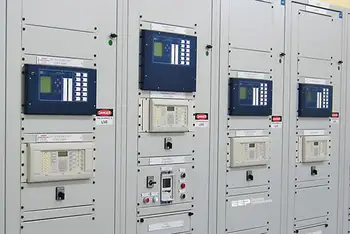
Protective Relay Training - Basic
Our customized live online or in‑person group training can be delivered to your staff at your location.
- Live Online
- 12 hours Instructor-led
- Group Training Available
New York ESCO Investigation examines retail energy markets, PSC oversight, consumer protection, pricing practices, and alleged overcharging, offering ESCOs a hearing while advancing reforms like energy efficiency, green options, and transparency for mass-market customers.
The Main Points
A state review probing ESCO pricing, marketing, and customer impacts to enforce reforms and consumer protection.
Probes ESCO pricing, marketing, and alleged overcharges.
Allows ESCOs to justify practices; consumers can submit complaints.
May mandate value-added efficiency or restrict mass-market sales.
Timeline: initial testimony due Apr 7, 2017; reforms to follow.
The New York Public Service Commission has launched a formal investigation into the state's retail energy markets, ensuring so-called energy service companies (ESCOs) will face continued scrutiny. Regulators' notice, issued last week, follows on New York Gov. Andrew Cuomo (D) proposal to limit the operations of ESCOs, over concerns residential customers were routinely being overcharged. Regulators say they will allow the retail providers the chance to defend their marketing and pricing schemes, and will then "push ahead with reforms", similar to Connecticut's market overhaul to ensure they are appropriately serving customers.
In February, Gov. Cuomo launched the opening salvo at retail electric marketers who are potentially overcharging customers, laying out a set of new rules that included prohibitions on sales to low-income customers, and consumer safeguards like a utility disconnection moratorium during emergencies, and new requirements on savings and green energy options.
A judge subsequently put the new rules on hold, arguing that Cuomo's push failed to offer energy marketers "an opportunity to be heard in a meaningful manner and at a meaningful time." But last week's notice from the PSC will ensure those marketers will face scrutiny.
The New York Department of Public Service issued a statement announcing the review, saying that for too long the agency "has seen substantial overcharges and deceptive practices by the ESCO industry harming New York consumers. "
The DPS said it intends to give retail providers the "opportunity to explain their pricing practices and to hear from consumers who have been harmed by these practices," and noted that policies such as suspending utility shut-offs can serve as consumer backstops, but then will "push ahead with reforms to ensure that ESCOs provide useful, value-added, economical services to New York consumers."
About 20% of New York's residential customers get their energy from an independent company, and the state is moving to crack down on the industry amid reports of overcharging, even as states push for renewable energy that can affect retail offerings. Platts reports that since 2014, by some estimates retail marketers have charged customers about $800 million more than traditional utilities would have billed for energy.
In the commission's notice, regulators argue "commodity price differentiation has not worked, and the market for
differentiated services is immature or non-existent. ... If ESCOs were truly living up to the promise of their function as innovators, it is expected that there would be much greater variety and transparency in the market for goods and services."
Among the primary issues to be discussed in the upcoming investigation, according to regulators' notice: Whether ESCOs should be "prohibited in total or in part from serving their current products to mass-market customers, or whether ESCOs should be required to offer value-added energy efficiency and energy management services as a condition to offering commodity services."
Track I initial prefiled testimony and exhibits will be due April 7, 2017, while debates such as Massachusetts' solar demand charge and TOU pricing changes highlight the broader rate design stakes.
Source: Utiliti DIVE