Ontario Poised to Miss 2030 Emissions Target
High Voltage Maintenance Training Online
Our customized live online or in‑person group training can be delivered to your staff at your location.

- Live Online
- 12 hours Instructor-led
- Group Training Available
Ontario Poised to Miss 2030 Emissions Target highlights how rising greenhouse gas emissions from electricity generation and natural gas power plants threaten Ontario’s climate goals, environmental sustainability, and clean energy transition efforts amid growing economic and policy challenges.
Why is Ontario Poised to Miss 2030 Emissions Target?
Ontario Poised to Miss 2030 Emissions Target examines the province’s setback in meeting climate goals due to higher power-sector emissions and shifting energy policies.
? Rising greenhouse gas emissions from gas-fired electricity generation
? Climate policy uncertainty and missed environmental targets
? Balancing clean energy transition with economic pressures
Ontario’s path toward meeting its 2030 greenhouse gas emissions target has taken a sharp turn for the worse, according to internal government documents obtained by Global News. The province, once on track to surpass its reduction goals, is now projected to miss them—largely due to rising emissions from electricity generation, even as the IEA net-zero electricity report highlights rising demand nationwide.
In October 2024, the Ford government’s internal analysis indicated that Ontario was on track to reduce emissions by 28 percent below 2005 levels by 2030, effectively exceeding its target. But a subsequent update in January 2025 revealed a grim reversal. The new forecast showed an increase of about eight megatonnes (Mt) of emissions compared to the previous model, with most of the rise attributed to the province’s energy policies.
“This forecast is about 8 Mt higher than the October 2024 forecast, mainly due to higher electricity sector emissions that reflect the latest ENERGY/IESO energy planning and assumptions,” the internal document stated.
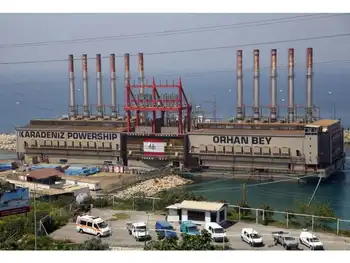
While the analysis did not specify which policy shifts triggered the change, experts point to Ontario’s growing reliance on natural gas. The use of gas-fired power plants has surged to fill temporary gaps created by nuclear refurbishment projects and other grid constraints, even as renewable energy’s role grows. In fact, natural gas generation in early 2025 reached its highest level since 2012.
The internal report cited “changing electricity generation,” nuclear power refurbishment, and “policy uncertainty” as major risks to achieving the province’s climate goals. But the situation may be even worse than the government’s updated forecast suggests.
On Wednesday, Ontario’s auditor general warned that the January projections were overly optimistic. The watchdog’s new report concluded the province could fall even further behind its 2030 emissions target, noting that reductions had likely been overestimated in several sectors, including transportation—such as electric vehicle sales—and waste management. “An even wider margin” of missed goals was now expected, the auditor said.
Environment Minister Todd McCarthy defended the government’s position, arguing that climate goals must be balanced against economic realities. “We cannot put families’ financial, household budgets at risk by going off in a direction that’s not achievable,” McCarthy said.
The minister declined to commit to new emissions targets beyond 2030—or even to confirm that the existing goals would be met—but insisted efforts were ongoing. “We are continuing to meet our commitment to at least try to meet our commitment for the 2030 target,” he told reporters. “But targets are not outcomes. We believe in achievable outcomes, not unrealistic objectives.”
Environmental advocates warn that Ontario’s reliance on fossil-fuel generation could lock the province into higher emissions for years, undermining national efforts to decarbonize Canada’s electricity grid. With cleaning up Canada’s electricity expected to play a central role in both industrial growth and climate action, the province’s backslide represents a significant setback for Canada’s overall emissions strategy.
Other provinces face similar challenges; for example, B.C. is projected to miss its 2050 targets by a wide margin.
As Ontario weighs its next steps, the tension between energy security, affordability, and environmental responsibility continues to define the province’s path toward a lower-carbon future and Canada’s 2050 net-zero target over the long term.
Related Articles