Will the next wave of Ontario's electric vehicles run on clean power?
Protective Relay Training - Basic
Our customized live online or in‑person group training can be delivered to your staff at your location.
- Live Online
- 12 hours Instructor-led
- Group Training Available
Ontario EV Clean Electricity Plan aligns EV adoption with clean power, natural gas phaseout, and grid decarbonization, cutting greenhouse gas emissions. Parties propose net-zero by 2030 as IESO warns rising gas use undermines climate gains.
A Closer Look
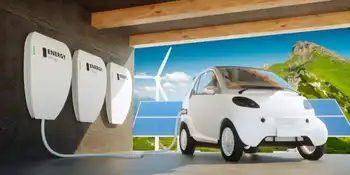
A plan to link EV growth to a cleaner grid by phasing out gas, boosting renewables, and targeting net-zero power.
Aligns EV rollouts with grid decarbonization to maximize emissions cuts.
Phases out natural gas generation by 2030 to protect climate gains.
Expands EV charging while prioritizing affordability and reliability.
Scales energy storage to replace gas peakers and meet peak demand.
Addresses IESO warnings that rising gas use could quadruple power emissions.
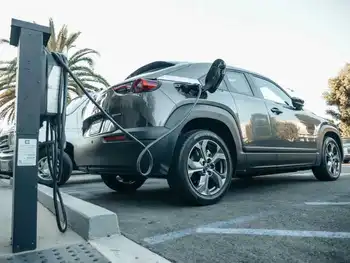
Ontario’s political leaders are unanimously promoting electric vehicles (EVs) in their election platforms, even as Ontario's EV charging network remains only partially complete by a recent deadline. But if the electricity that powers those vehicles continues to come from burning fossil fuels, the province won’t reap the full environmental benefit of EVs, the Ontario Clean Air Alliance says.
“If we’re going to get the maximum benefit of electric vehicles, we’ve got to have a clean electricity supply,” said Jack Gibbons, chair of the alliance.
The environmental advocacy group surveyed the province’s Progressive Conservative, Liberal, NDP and Green parties about where they stand on generating electricity from natural gas, a fossil fuel. Only three committed to phasing out Ontario’s gas plants, a step seen as essential for supporting Canada's EV goals over time.
The NDP promised an electricity grid with net-zero emissions by 2030, while federal targets like the 2035 EV sales mandate shape transport electrification as well. The Liberals pledged to bring electricity emissions "as close to zero as possible by 2030.” The Green Party plans to make Ontario’s electricity “emission-free as quickly as possible,” aiming for a gas phaseout by 2030. The Progressive Conservatives did not answer the survey and did not respond to requests for comment from Canada’s National Observer.
Affordability and reliability were the top concerns for all three parties that responded, including the cost of expanding EV charging stations across the province.
Ontario used to get 25 per cent of its electricity from coal-fired power plants, even as 2019 fossil-fuel electricity share remained significant nationwide. However, in 1997, Gibbons formed the alliance to campaign against coal, and the province’s last coal-fired plant closed in 2014, leaving Ontario with one of North America’s cleanest electricity systems. At the time, Gibbons said, transitioning to gas-fired electricity made sense.
Now, Doug Ford’s Progressive Conservatives plan to double-down on gas-fired electricity generation to meet future demand, despite a looming energy storage supply crunch that is reshaping planning. As a result, planet-warming greenhouse gas emissions from electricity generation will more than quadruple by 2030, according to Ontario’s Independent Electricity System Operator (IESO).
If that happens, Ontario will lose 30 per cent of the progress it made by phasing out coal.
“If you have an increasing percentage of your electricity generated with fossil fuels, that undermines the activities of a variety of sectors in the society,” said Peter Tabuns, NDP candidate for Toronto-Danforth and former NDP energy and climate critic. “Ford's position of not committing to greening the system undermines the goals.”
In 2020, the alliance spearheaded a campaign calling on the Ford government to phase out the province’s gas plants. Thirty-two municipalities supported the campaign, and in Northern Ontario, Sudbury eco groups say sustainability is key to the grid's future. Many cities have said they will not be able to meet their own goals to fight climate change unless Ontario stops using fossil fuels for electricity.