NRC Begins Special Inspection at River Bend Nuclear Power Plant
NFPA 70E Training
Our customized live online or in‑person group training can be delivered to your staff at your location.

- Live Online
- 6 hours Instructor-led
- Group Training Available
NRC Special Inspection at River Bend reviews failures of portable emergency diesel generators, nuclear safety measures, and Entergy Operations actions after Fukushima; off-site power loss readiness, remote COVID-19 oversight, and corrective action plans are assessed.
Top Insights
An NRC review of generator test failures at River Bend, assessing nuclear safety, root causes, and corrective actions.
Reviews five portable E-DG test failures and related procedures.
Assesses off-site power loss readiness and beyond-design-basis gear.
Evaluates Entergy causal analysis quality and corrective action plans.
Conducts most oversight remotely due to COVID-19 constraints.
Issues a public inspection report within 45 days of completion.
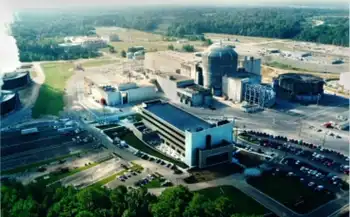
The Nuclear Regulatory Commission has begun a special inspection at the River Bend nuclear power plant, part of broader oversight that includes the Turkey Point renewal application, to review circumstances related to the failure of five portable emergency diesel generators during testing. The plant, operated by Entergy Operations, is located in St. Francisville, La., as nations like France outage risks continue to highlight broader reliability concerns.
The generators are used to supply power to plant systems in the event of a prolonged loss of off-site electrical power coupled with a failure of the permanently installed emergency generators, a concern underscored by incidents such as the SC nuclear plant leak that shut down production for weeks. These portable generators were acquired as part of the facility's safety enhancements mandated by the NRC following the 2011 accident at the Fukushima Dai-ichi facility in Japan, and amid constraints like France limiting output from warm rivers, the emphasis on resilience remains.
The three-member NRC team will develop a chronology of the test failures and evaluate the licensee's causal analyses and the adequacy of corrective actions, informed by lessons from cases like Davis-Besse closure stakes that underscore risk management.
Due to the COVID-19 pandemic, they will complete most of their work remotely, while other regions address constraints such as high river temperatures limiting output for nuclear stations. An inspection report documenting the team's findings, released as global nuclear project milestones continue across the sector, will be publicly available within 45 days of the end of the inspection.