Germany agrees 200 bln euro package to shield against surging energy prices
NFPA 70E Training
Our customized live online or in‑person group training can be delivered to your staff at your location.

- Live Online
- 6 hours Instructor-led
- Group Training Available
Germany Energy Price Defensive Shield counters soaring gas and electricity costs with a gas price brake, VAT cut, subsidies for households and SMEs, LNG terminals, renewables, temporary nuclear extension, and targeted borrowing to curb inflation.
In This Story
A 200 billion euro package to cap energy costs, subsidize basics, and stabilize inflation for firms and households.
Gas price brake lowers consumer and SME baseline tariffs
VAT on gas cut to 7% from 19% until spring 2024
Subsidies support basic electricity consumption for SMEs and households
Fast-tracks LNG terminals and accelerates renewables build-out
Temporary nuclear extensions bolster winter supply resilience
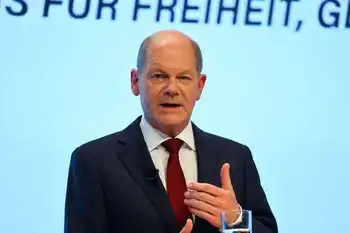
German Chancellor Olaf Scholz set out a 200 billion euro ($194 billion) "defensive shield", including a gas price brake and a cut in sales tax for the fuel, to protect companies and households from the impact of soaring energy prices in Germany.
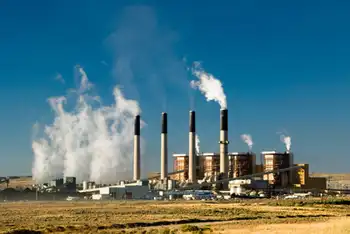
Europe's biggest economy is trying to cope with surging gas and electricity costs, with local utilities seeking help, caused largely by a collapse in Russian gas supplies to Europe, which Moscow has blamed on Western sanctions following its invasion of Ukraine in February.
3 minute readSeptember 29, 202211:35 AM PDTLast Updated 6 days ago
Germany agrees 200 bln euro package to shield against surging energy prices
By Holger Hansen and Kirsti Knolle
"Prices have to come down, so the government will do everything it can. To this end, we are setting up a large defensive shield," said Scholz.
Under the plans, to run until spring 2024, the government will introduce an emergency price brake on gas, the details of which will be announced next month, while Europe weighs emergency measures to limit electricity prices across the bloc. It is scrapping a planned gas levy meant to help firms struggling with high spot market prices.
A temporary electricity price brake will subsidise basic consumption for consumers and small and medium-sized companies, and complements an electricity subsidy for industries under discussion. Sales tax on gas will fall to 7% from 19%.
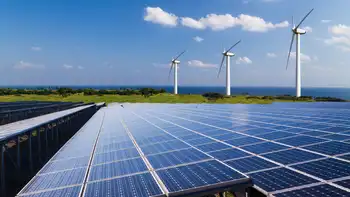
In its efforts to cut its dependence on Russian energy, Germany is also promoting the expansion of renewable energy and developing liquefied gas terminals, but rolling back European electricity prices remains complex.
To help households and companies weather any winter supply disruption, amid rising heating and electricity costs this winter, especially in southern Germany, two nuclear plants previously due to close by the end of this year will be able to keep running until spring 2023.
The package will be financed with new borrowing this year, as Berlin makes use of the suspension of a constitutionally enshrined limit on new debt of 0.35% of gross domestic product.
Finance Minister Christian Lindner has said he wants to comply with the limit again next year, even as the EU outlines gas price cap strategies for the market.
Lindner, of the pro-business Free Democrats (FDP) who share power with Scholz's Social Democrats and the Greens, said on Thursday the country's public finances were stable.
"We can put it no other way: we find ourselves in an energy war," said Lindner. "We want to clearly separate crisis expenditure from our regular budget management, we want to send a very clear signal to the capital markets."
He also said the steps would act as a brake on inflation, which hit its highest level in more than a quarter of century in September.
Opposition conservative Markus Soeder, premier of the southern state of Bavaria, said the steps gave the right signal.
"It gives industry and citizens confidence that we can get through the winter," he said.