Balancing Act: Germany's Power Sector Navigates Energy Transition
NFPA 70b Training - Electrical Maintenance
Our customized live online or in‑person group training can be delivered to your staff at your location.

- Live Online
- 12 hours Instructor-led
- Group Training Available
Germany January Power Mix shows gas-fired generation rising, coal steady, and nuclear phaseout impacts, amid cold weather, energy prices, industrial demand, and emissions targets shaping renewables, grid stability, and security of supply.
What's Happening
The January electricity mix, highlighting gas, coal, renewables, and nuclear exit effects on emissions, prices, and demand.
Gas output up 13% to 8.74 TWh, share at 18.6%.
Coal share 23%, down year on year, steady vs late 2023.
Nuclear gap filled by gas and coal; emissions below Jan 2023.
Germany's electricity generation in January presented a fascinating snapshot of its energy transition journey. As the country strives to move away from fossil fuels, with renewables overtaking coal and nuclear in its power mix, it grapples with the realities of replacing nuclear power and meeting fluctuating energy demands.
Gas Takes the Lead:
Gas-fired power plants saw their highest output in two years, generating 8.74 terawatt hours (TWh). This 13% increase compared to January 2023 compensated for the closure of nuclear reactors, which were extended during the energy crisis to shore up supply, and colder weather driving up heating needs. This reliance on gas, however, pushed its share in the electricity mix to 18.6%, highlighting Germany's continued dependence on fossil fuels.
Coal Fades, but Not Forgotten:
While gas surged, coal-fired generation remained below previous levels, dropping 29% from January 2023. However, it stayed relatively flat compared to late 2023, suggesting utilities haven't entirely eliminated it. Coal still held a 23% share, and periodic coal reliance remains evident, exceeding gas' contribution, reflecting its role as a reliable backup for intermittent renewable sources like wind.
Nuclear Void and its Fallout:
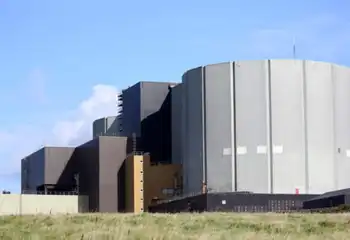
The shutdown of nuclear plants in April 2023 created a significant gap, previously accounting for an average of 12% of annual electricity output. This loss is being compensated through gas and coal, with gas currently the preferred choice, even as a nuclear option debate persists among policymakers. This strategy kept January's power sector emissions lower than the previous year, but rising demand could shift the balance.
Industry's Uncertain Impact:
Germany's industrial sector, a major energy consumer, is facing challenges like high energy prices and weak consumer demand. While the government aims to foster industrial recovery, uncertainties linger due to a shaky coalition and limited budget, and debate about a possible nuclear resurgence continues in parallel, which could reshape policy. Any future industrial revival would likely increase energy demand and potentially necessitate more gas or coal.
Cost-Driven Choices and Emission Concerns:
The choice between gas and coal depends on their relative costs, in a system pursuing a coal and nuclear phase-out under long-term policy. Currently, gas seems more favorable emission-wise, but if its price rises, coal might become more attractive, impacting overall emissions.
Looking Ahead:
Germany's energy transition faces a complex balancing act, with persistent grid expansion woes and exposure to cheap gas complicating progress. While the reliance on gas and coal highlights the difficulties in replacing nuclear, the focus on emissions reduction is encouraging. Navigating the challenges of affordability, industrial needs, and climate goals will be crucial for a successful transition to a clean and secure energy future.