Gaza’s sole electricity plant shuts down after running out of fuel
NFPA 70b Training - Electrical Maintenance
Our customized live online or in‑person group training can be delivered to your staff at your location.

- Live Online
- 12 hours Instructor-led
- Group Training Available
Gaza Power Plant Shutdown underscores the Gaza Strip's fuel ban, Israeli blockade, and electricity crisis, cutting megawatts, disrupting hospitals and quarantine centers, and exposing fragile energy supply, GEDCO warnings, and public health risks.
Key Highlights
An abrupt halt of Gaza's sole power plant due to a fuel ban, deepening the electricity crisis and straining hospitals.
GEDCO reports total plant shutdown due to fuel import ban
Available supply 180 MW vs demand of about 500 MW
Israel supplies 120 MW; Egypt supplies 32 MW to Gaza
Plant output was 40-60 MW before the outage
Power cuts disrupt hospitals and COVID-19 quarantine centers
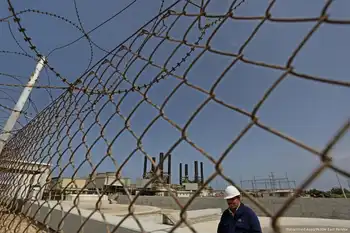
The only electricity plant in the Gaza Strip shut down yesterday after running out of fuel banned from entering the besieged enclave by the Israeli occupation, Gaza Electricity Distribution Company announced.
“The power plant has shut down completely,” the company said in a brief statement, as disruptions like China power cuts reveal broader grid vulnerabilities.
Israel banned fuel imports into Gaza as part of punitive measures over the launching incendiary balloons from the Strip.
On Sunday, GEDCO warned that the industrial fuel for the electricity plant would run out, mirroring Lebanon's fuel shortage challenges, on Tuesday morning.
Since 2007, the Gaza Strip suffered under a crippling Israeli blockade that has deprived its roughly two million inhabitants of many vital commodities, including food, fuel and medicine, and regional strains such as Iraq's summer electricity needs highlight broader power insecurity.
As a result, the coastal enclave has been reeling from an electricity crisis, similar to when the National Grid warned of short supply in other contexts.
The Gaza Strip needs some 500 megawatts of electricity – of which only 180 megawatts are currently available – to meet the needs of its population, while Iran supplies about 40% of Iraq's electricity in the region.
Spokesman of the Ministry of Health in Gaza, Ashraf Al Qidra, said the lack of electricity undermines offering health services across Gaza’s hospitals.
He also warned that the lack of electricity would affect the quarantine centres used for coronavirus patients, reinforcing the need to keep electricity options open during the pandemic.
Gaza currently has three sources of electricity: Israel, which provides 120 megawatts and is advancing coal use reduction measures; Egypt, which supplies 32 megawatts; and the Strip’s sole power plant, which generates between 40 and 60 megawatts.