The Evolution of Electric Vehicle Charging Infrastructure in the US
High Voltage Maintenance Training Online
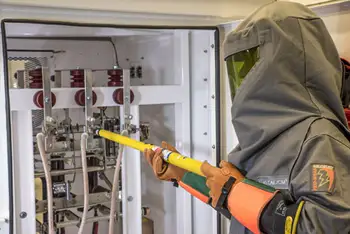
Our customized live online or in‑person group training can be delivered to your staff at your location.
- Live Online
- 12 hours Instructor-led
- Group Training Available
US EV Charging Infrastructure is evolving with interoperable NACS and CCS standards, Tesla Supercharger access, federal funding, ultra-fast charging, mobile apps, and battery advances that reduce range anxiety and expand reliable, nationwide fast-charging access.
The Big Picture
Nationwide network, standards, and funding enabling fast, interoperable EV charging access for drivers across the US.
NACS and CCS interoperability expands cross-network access
Tesla Superchargers opening to more brands accelerate adoption
Federal funding builds fast chargers along highways and communities
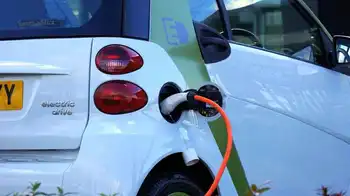
The landscape of electric vehicle (EV) charging infrastructure in the United States is rapidly evolving, driven by technological advancements, collaborative efforts between automakers and charging networks across the country, and government initiatives to support sustainable transportation.
Interoperability and Collaboration
Recent developments highlight a shift towards interoperability among charging networks, even as control over charging continues to be contested across the market today. The introduction of the North American Charging Standard (NACS) and the adoption of the Combined Charging System (CCS) by major automakers underscore efforts to standardize charging protocols. This move aims to enhance convenience for EV drivers by allowing them to use multiple charging networks seamlessly.
Tesla's Role and Expansion
Tesla, a trailblazer in the EV industry, has expanded its Supercharger network to accommodate other EV brands. This initiative represents a significant step towards inclusivity, addressing range anxiety and supporting the broader adoption of electric vehicles. Tesla's expansive network of fast-charging stations across the US continues to play a pivotal role in shaping the EV charging landscape.
Government Support and Infrastructure Investment
The federal government's commitment to infrastructure development is crucial in advancing EV adoption. The Bipartisan Infrastructure Law allocates substantial funding for EV charging station deployment along highways and in underserved communities, while automakers plan 30,000 chargers to complement public investment today. These investments aim to expand access to charging infrastructure, promote economic growth, and reduce greenhouse gas emissions associated with transportation.
Technological Advancements and User Experience
Technological innovations in EV charging, including energy storage and mobile charging solutions, continue to improve user experience and efficiency. Ultra-fast charging capabilities, coupled with user-friendly interfaces and mobile apps, simplify the charging process for consumers. Advancements in battery technology also contribute to faster charging times and increased vehicle range, enhancing the practicality and appeal of electric vehicles.
Challenges and Future Outlook
Despite progress, challenges remain in scaling EV charging infrastructure to meet growing demand. Issues such as grid capacity constraints are coming into sharp focus, alongside permitting processes and funding barriers that necessitate continued collaboration between stakeholders. Addressing these challenges is crucial in supporting the transition to sustainable transportation and achieving national climate goals.
Conclusion
The evolution of EV charging infrastructure in the United States reflects a transformative shift towards sustainable mobility solutions. Through interoperability, government support, technological innovation, and industry collaboration, stakeholders are paving the way for a robust and accessible charging ecosystem. As investments and innovations continue to shape the landscape, and amid surging U.S. EV sales across 2024, the trajectory of EV infrastructure development promises to accelerate, ensuring reliable and widespread access to charging solutions that support a cleaner and greener future.