Electricity Prices Surge to Record as Europe Struggles to Keep Lights on
Protective Relay Training - Basic
Our customized live online or in‑person group training can be delivered to your staff at your location.
- Live Online
- 12 hours Instructor-led
- Group Training Available
France Electricity Crisis drives record power prices as nuclear outages squeeze supply, forcing energy imports, fuel oil and coal generation, amid gas market shocks, weak wind output, and freezing weather straining the grid.
Inside the Issue
A French power shortfall from nuclear outages, record prices, heavy imports, and oil-fired backup amid cold weather.
EDF outages sideline ~30% nuclear capacity by early January.
Forward prices spike; France Jan contract nears 700.60 euros/MWh.
Imports surge from Germany and UK; oil and coal units dispatched.
Gas tightness and pipeline reversals lift EU marginal power prices.
Electricity prices surged to a fresh record as France scrambled to keep its lights on, sucking up supplies from the rest of Europe.
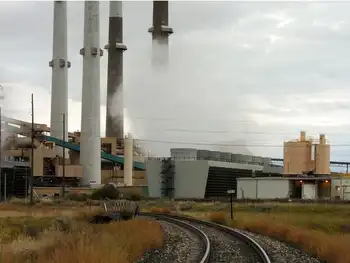
France, usually an exporter of power, is boosting electricity imports and even burning fuel oil, and has at times limited nuclear output due to high river temperatures during heatwaves. The crunch comes after Electricite de France SA said it would halt four reactors accounting for 10% of the nation’s nuclear capacity, straining power grids already facing cold weather. Six oil-fired units were turned on in France on Tuesday morning, according to a filing with Entsoe.
“It’s illustrating how severe it is when they’re actually starting to burn fuel oil and importing from all these countries,” said Fabian Ronningen, an analyst at Rystad Energy. The unexpected plant maintenance “is reflected in the market prices,” he said
Europe is facing an energy crisis, with utilities relying on coal and oil. Almost 30% of France’s nuclear capacity will be offline at the beginning of January, leaving the energy market at the mercy of the weather. To make matters worse, Germany is closing almost half of its nuclear capacity before the end of the year, as Europe loses nuclear power just when it really needs energy.
German power for delivery next year surged 10% to 278.50 euros a megawatt-hour, while the French contract for January added 9.5% to a record 700.60 euros. Prices also gained, under Europe’s marginal pricing system, as gas jumped after shipments from Russia via a key pipeline reversed direction, flowing eastward toward Poland instead.
Neighboring countries are boosting their exports to France this week to cover for lost nuclear output, with imports from Germany rising to highest level in at least four years. In the U.K., four coal power units were operating on Tuesday with as much as 1.5 gigawatts of hourly output being sent across the channel.
The power crisis is so severe that the French government has asked EDF to restart some nuclear reactors earlier than planned amid outage risks for nuclear-powered France. Ecology Minister Barbara Pompili said last weekend that, in addition to the early reactor restarts and past river-temperature limits, the country had contracts with some companies in which they agreed to cut production during peak demand hours in exchange for payments from the government.
Higher energy prices threaten to derail Europe’s economic recovery just as the coronavirus omicron variety is spreading. Trafigura Group’s Nyrstar will pause production at its zinc smelter in France in the first week of January because of rising electricity prices. Norwegian fertilizer producer Yara International, which curbed output earlier this year, said it would continue to monitor the situation closely and curtail production where necessary.
Freezing weather this week is also sending short-term power prices surging as renewables can’t keep up, even though wind and solar overtook gas in the EU last year. German wind output plunged to a five-week low on Tuesday.