
Why Autocad Electrical Training Matters
AutoCAD Electrical Training teaches professionals how to design, modify, and document electrical control systems using AutoCAD tools. Learn schematic design, panel layout, circuit management, and automation features to improve accuracy, productivity, and project efficiency.
- Protects workers from life-threatening hazards
- Helps employers meet NFPA 70E and CSA Z462 regulatory requirements
- Teaches hazard recognition, proper PPE use, and safe work practices
- Reduces legal, financial, and operational risks for organizations



Certified Autocad Electrical Training
- Ensure compliance with NFPA 70E and CSA Z462 Workplace Electrical Safety standards.
- Provide practical instruction for both qualified electrical workers and non-electrical personnel.
- Protect employees and reduce downtime through effective hazard prevention and mitigation education.

Explore EF Training Subjects
Arc Flash Electrical Safety Courses
AutoCAD Electrical Mastery Bundle - Beginner, Intermediate and Advanced
AutoCAD Electrical Mastery Bundle offers beginner, intermediate, and toolset courses in one program, building complete drafting and electrical design skills.
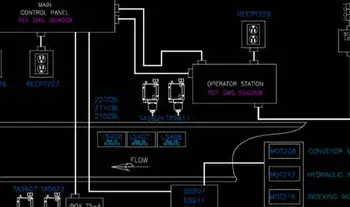
AutoCAD Electrical Training - Intermediate
AutoCAD Electrical training course covering schematics, blocks, templates, annotation standards, constraints, and XREF workflows for professional drafting.
Autocad Electrical Toolset - Advanced
AutoCAD Electrical Toolset training teaches schematic automation, PLC documentation, panel layouts, and reporting for professional electrical design teams.
Autocad Electrical Tutorial - Beginner
AutoCAD Electrical Tutorial explains schematic wiring, ladder insertion, wire numbering, BOM reports, and project setup with step-by-step guidance.
Autocad Electrical Training Certification and CEU Credits
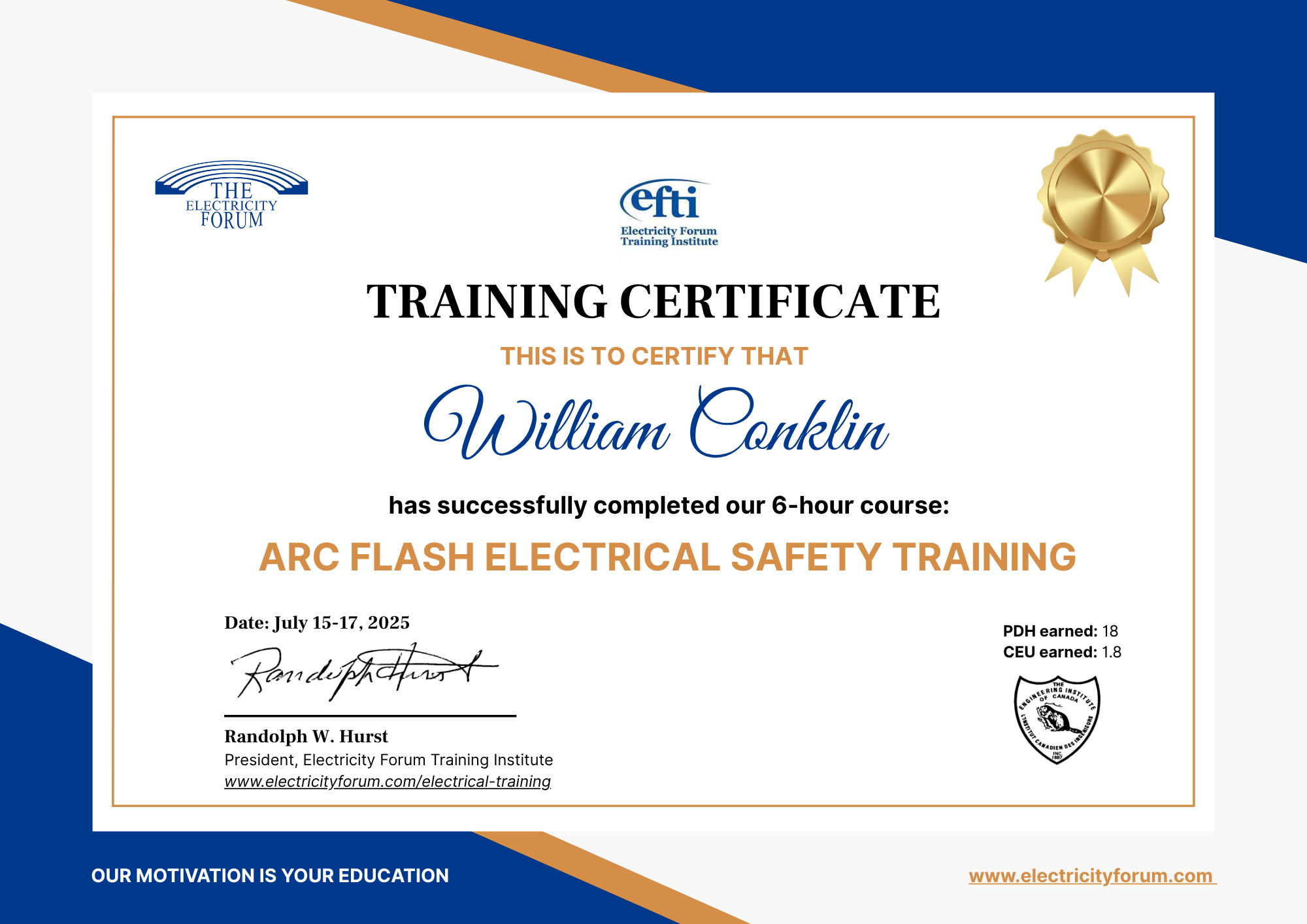
- Our Autocad Electrical Training courses are recognized for Continuing Education Units (CEUs) and Professional Development Hours (PDHs).
- Delivered by industry-certified instructors with decades of field experience.
- Training meets or exceeds OSHA, NFPA, and CSA requirements.
Recognized by

.png)



Related Course Subjects
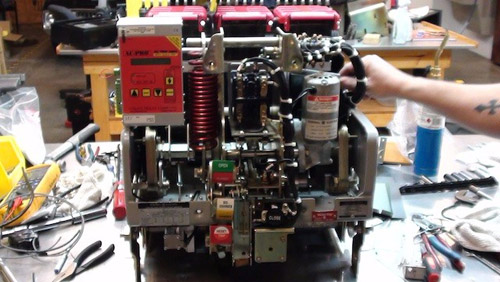
MV & HV Circuit Breaker Maintenance Training
Fire Alarm System Design Course - Canadian Codes and Standards
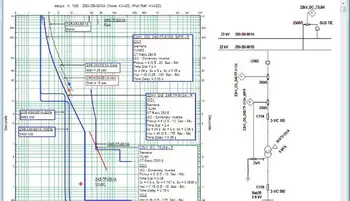
Arc Flash Analysis/Study
Canadian Electrical Code Training - 2024 Edition Code Fundamentals and Calculations
Training Options to Fit Every Need
Ideal for individuals or small teams, our interactive online sessions provide the convenience of remote learning with the same instructor-led expertise and real-time Q&A as an in-person class.
Our expert instructors come to your facility to deliver customized, hands-on training designed around your specific equipment, procedures, and safety challenges.
Perfect for geographically dispersed teams, this option delivers a tailored, private virtual classroom experience for your entire group, with opportunities for direct instructor interaction and team discussions.

Request a free training quote – Live Online & In-Person Group Training
Whether you choose live online or in-person instruction, our electrical training can be customized to your needs and delivered to your team at one or multiple locations.
- Interactive – Real-Time Q&A
- Tailored – Built To Your Needs
- Flexible – Join From Any Location
- Cost-Saving – No Travel Expenses
- Certified – Earn CEU Credits
- Discounted – Multi-Course Savings
Our instructors will work with you to assess your team's skills and tailor the training to match your requirements.
Live Online & In-person Group Training
Advantages To Instructor-Led Training – Instructor-Led Course, Customized Training, Multiple Locations, Economical, CEU Credits, Course Discounts.
Whether you would prefer Live Online or In-Person instruction, our electrical training courses can be tailored to meet your company's specific requirements and delivered to your employees in one location or at various locations.
