Electric cars won't solve our pollution problems – Britain needs a total transport rethink
CSA Z462 Arc Flash Training – Electrical Safety Compliance Course
Our customized live online or in‑person group training can be delivered to your staff at your location.

- Live Online
- 6 hours Instructor-led
- Group Training Available
UK Transport Policy Overhaul signals bans on petrol and diesel cars, rail franchising reform, 15-minute cities, and active travel, tackling congestion, emissions, microplastics, urban sprawl, and public health with systemic, multimodal planning.
Story Summary
A shift toward EVs, rail reform, and 15-minute cities to reduce emissions, congestion, and health risks.
Phase-out of petrol and diesel car sales by 2030
National rail franchising replaced with integrated operations
Urban design: 15-minute cities, cycling, and active travel
Could it be true? That this government will bring all sales of petrol and diesel cars to an end by 2030, even as a 2035 EV mandate in Canada is derided by critics? That it will cancel all rail franchises and replace them with a system that might actually work? Could the UK, for the first time since the internal combustion engine was invented, really be contemplating a rational transport policy? Hold your horses.
Before deconstructing it, let’s mark this moment. Both announcements might be a decade or two overdue, but we should bank them as they’re essential steps towards a habitable nation.
We don’t yet know exactly what they mean, as the government has delayed its full transport announcement until later this autumn. But so far, nothing that surrounds these positive proposals makes any sense, and the so-called EV revolution often proves illusory in practice.
If the government has a vision for transport, it appears to be plug and play. We’ll keep our existing transport system, but change the kinds of vehicles and train companies that use it. But when you have a system in which structural failure is embedded, nothing short of structural change will significantly improve it.
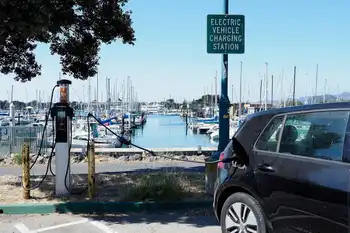
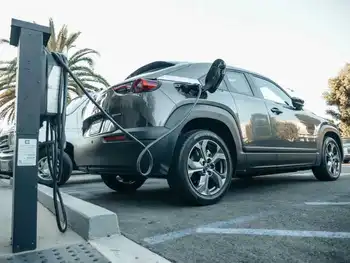
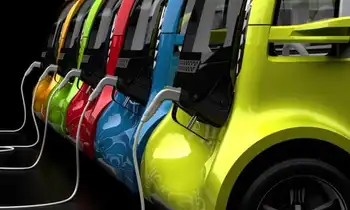
A switch to electric cars will reduce pollution, though the benefits depend on the power mix; in Canada, Canada’s grid was 18% fossil-fuelled in 2019, for example. It won’t eliminate it, as a high proportion of the microscopic particles thrown into the air by cars, which are highly damaging to our health, arise from tyres grating on the surface of the road. Tyre wear is also by far the biggest source of microplastics pouring into our rivers and the sea. And when tyres, regardless of the engine that moves them, come to the end of their lives, we still have no means of properly recycling them.
Cars are an environmental hazard long before they leave the showroom. One estimate suggests that the carbon emissions produced in building each one equate to driving it for 150,000km. The rise in electric vehicle sales has created a rush for minerals such as lithium and copper, with devastating impacts on beautiful places. If the aim is greatly to reduce the number of vehicles on the road, and replace those that remain with battery-operated models, alongside EV battery recycling efforts, then they will be part of the solution. But if, as a forecast by the National Grid proposes, the current fleet is replaced by 35m electric cars, a University of Toronto study warns they are not a silver bullet, and we’ll simply create another environmental disaster.
Switching power sources does nothing to address the vast amount of space the car demands, which could otherwise be used for greens, parks, playgrounds and homes. It doesn’t stop cars from carving up community and turning streets into thoroughfares and outdoor life into a mortal hazard. Electric vehicles don’t solve congestion, or the extreme lack of physical activity that contributes to our poor health.
So far, the government seems to have no interest in systemic change. It still plans to spend £27bn on building even more roads, presumably to accommodate all those new electric cars. An analysis by Transport for Quality of Life suggests that this road-building will cancel out 80% of the carbon savings from a switch to electric over the next 12 years. But everywhere, even in the government’s feted garden villages and garden towns, new developments are being built around the car.
Rail policy is just as irrational, even though lessons from large electric bus fleets offer cleaner mass transit options. The construction of HS2, now projected to cost £106bn, has accelerated in the past few months, destroying precious wild places along the way, though its weak business case has almost certainly been destroyed by coronavirus.
If one thing changes permanently as a result of the pandemic, it is likely to be travel. Many people will never return to the office. The great potential of remote technologies, so long untapped, is at last being realised. Having experienced quieter cities with cleaner air, few people wish to return to the filthy past.
Like several of the world’s major cities, our capital is being remodelled in response, though why electric buses haven’t taken over remains a live question. The London mayor – recognising that, while fewer passengers can use public transport, a switch to cars would cause gridlock and lethal pollution – has set aside road space for cycling and walking. Greater Manchester hopes to build 1,800 miles of protected pedestrian and bicycle routes.




Cycling to work is described by some doctors as “the miracle pill”, massively reducing the chances of early death: if you want to save the NHS, get on your bike. But support from central government is weak and contradictory, and involves a fraction of the money it is spending on new roads. The major impediment to a cycling revolution is the danger of being hit by a car.
Even a switch to bicycles (including electric bikes and scooters) is only part of the answer. Fundamentally, this is not a vehicle problem but an urban design problem. Or rather, it is an urban design problem created by our favoured vehicle. Cars have made everything bigger and further away. Paris, under its mayor Anne Hidalgo, is seeking to reverse this trend, by creating a “15-minute city”, in which districts that have been treated by transport planners as mere portals to somewhere else become self-sufficient communities – each with their own shops, parks, schools and workplaces, within a 15-minute walk of everyone’s home.
This, I believe, is the radical shift that all towns and cities need. It would transform our sense of belonging, our community life, our health and our prospects of local employment, while greatly reducing pollution, noise and danger. Transport has always been about much more than transport. The way we travel helps to determine the way we live. And at the moment, locked in our metal boxes, we do not live well.