Blood Nickel and Canada's Role in Global Mining Sustainability
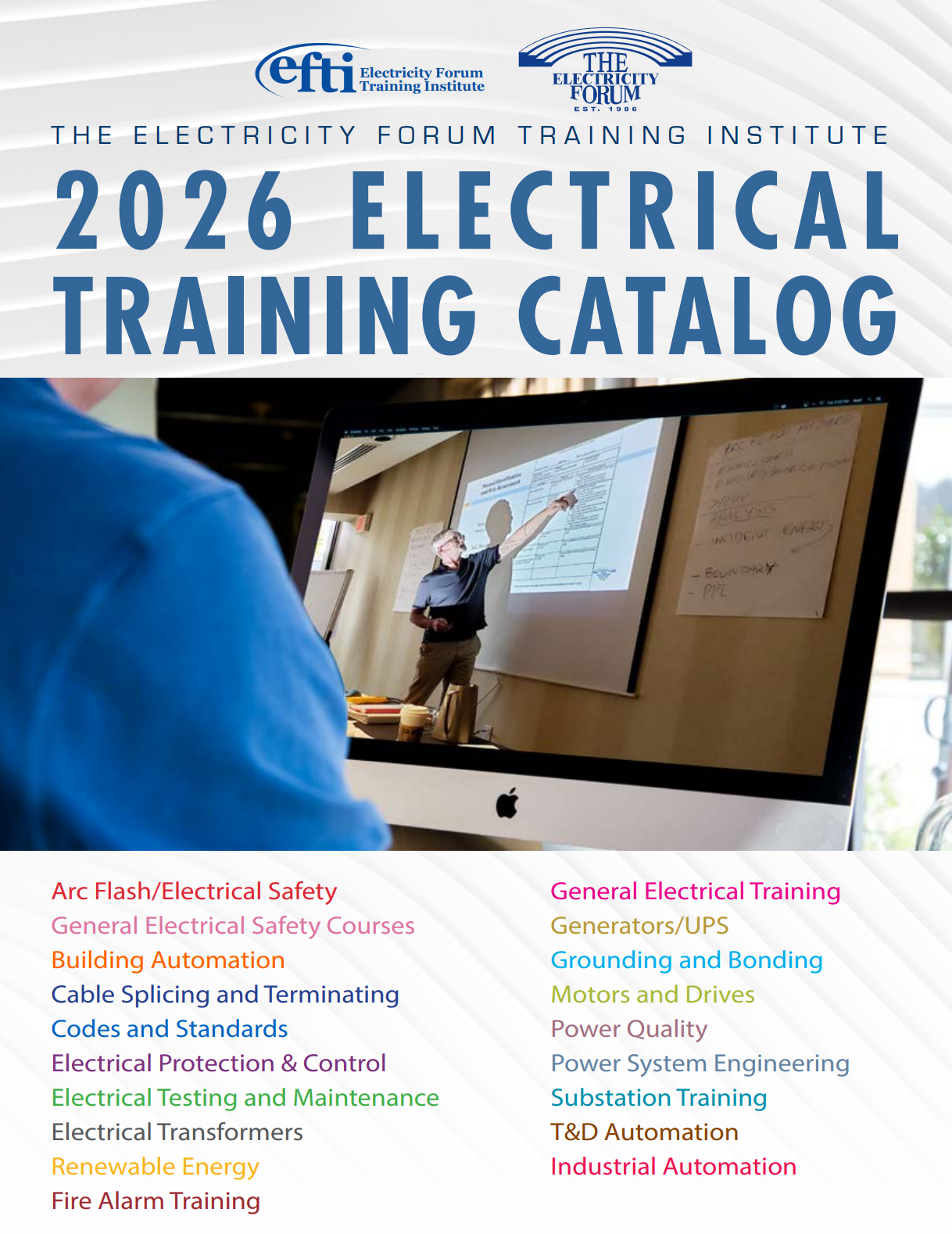
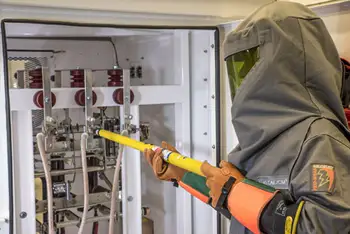
High Voltage Maintenance Training Online
Our customized live online or in‑person group training can be delivered to your staff at your location.
- Live Online
- 12 hours Instructor-led
- Group Training Available
Blood Nickel spotlights ethical sourcing in the EV supply chain, linking nickel mining to human rights, environmental impact, ESG standards, and Canadian leadership in sustainable extraction, transparency, and community engagement across global battery materials markets.
Key Information
Blood Nickel is nickel mined under unethical or harmful conditions, raising ESG, human rights, and environmental risks.
Links EV battery supply chains to social and environmental harm
Calls for transparency, traceability, and ethical sourcing standards
Highlights Canada's role in sustainable mining and community benefits
The rise of electric vehicles (EVs) has sparked a surge in demand for essential battery components, particularly nickel, and related cobalt market pressures essential for their batteries. This demand has ignited concerns about the environmental and social impacts of nickel mining, particularly in regions where standards may not meet global sustainability benchmarks. This article explores the concept of "blood nickel," its implications for the environment and communities, and Canada's potential role in promoting sustainable mining practices.
The Global Nickel Boom
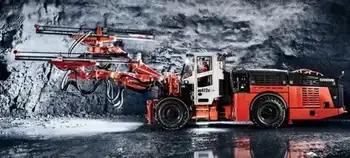
As the automotive industry shifts towards electric vehicles, nickel has emerged as a critical component for lithium-ion batteries due to its ability to store energy efficiently. This surge in demand has led to a global scramble for nickel, with major producers ramping up extraction efforts to meet market needs amid EV shortages and wait times that underscore supply constraints. However, this rapid expansion has raised alarms about the environmental consequences of nickel mining, including deforestation, water pollution, and carbon emissions from energy-intensive extraction processes.
Social Impacts: The Issue of "Blood Nickel"
Beyond environmental concerns, the term "blood nickel" has emerged to describe nickel mined under conditions that exploit workers, disregard human rights, or fail to uphold ethical labor standards. In some regions, nickel mining has been linked to issues such as child labor, unsafe working conditions, and displacement of indigenous communities. This has prompted calls for greater transparency and accountability in global supply chains, with initiatives like U.S.-ally efforts to secure EV metals aiming to align sourcing standards, to ensure that the benefits of EV production do not come at the expense of vulnerable populations.
Canada's Position and Potential
Canada, home to significant nickel deposits, stands at a pivotal juncture in the global EV revolution, supported by EV assembly deals in Canada that strengthen domestic manufacturing. With its robust regulatory framework, commitment to environmental stewardship, and advanced mining technologies, Canada has the potential to lead by example in sustainable nickel mining practices. Canadian companies are already exploring innovations such as cleaner extraction methods, renewable energy integration, and community engagement initiatives to minimize the environmental footprint and enhance social benefits of nickel mining.
Challenges and Opportunities
Despite Canada's potential, the mining industry faces challenges in balancing economic growth with environmental and social responsibility and building integrated supply chains, including downstream investments like a battery plant in Niagara that can connect materials to markets. Achieving sustainable mining practices requires collaboration among governments, industry stakeholders, and local communities to establish clear guidelines, monitor compliance, and invest in responsible resource development. This approach not only mitigates environmental impacts but also fosters long-term economic stability and social well-being in mining regions.
Pathways to Sustainability
Moving forward, Canada can play a pivotal role in shaping the global nickel supply chain by promoting transparency, ethical sourcing, and environmental stewardship. This includes advocating for international standards that prioritize sustainable mining practices, supporting research and development of cleaner technologies, and leveraging adjacent resources such as Alberta lithium potential to diversify battery supply chains, while fostering partnerships with global stakeholders to ensure a fair and equitable transition to a low-carbon economy.
Conclusion
The rapid growth of electric vehicles has propelled nickel into the spotlight, highlighting both its strategic importance and the challenges associated with its extraction. As global demand for "green" metals intensifies, addressing the concept of "blood nickel" becomes increasingly urgent, even as trade measures like tariffs on Chinese EVs continue to reshape market incentives. Canada, with its rich nickel reserves and commitment to sustainability, has an opportunity to lead the charge towards ethical and responsible mining practices. By leveraging its strengths in innovation, regulation, and community engagement, Canada can help forge a path towards a more sustainable future where electric vehicles drive progress without compromising environmental integrity or social justice.