Arc Fault Interrupter Breaker
By Harold WIlliams, Associate Editor
Substation Relay Protection Training
Our customized live online or in‑person group training can be delivered to your staff at your location.
- Live Online
- 12 hours Instructor-led
- Group Training Available
Download Our OSHA 4475 Fact Sheet – Being Aware of Arc Flash Hazards
- Identify root causes of arc flash incidents and contributing conditions
- Apply prevention strategies including LOTO, PPE, and testing protocols
- Understand OSHA requirements for training and equipment maintenance
An arc fault interrupter breaker is essential in modern electrical systems, designed to prevent electrical fires caused by arcing faults.
What is an Arc Fault?
An arc fault is an unintentional arcing condition that can occur in electrical wiring, leading to overheating and potentially igniting surrounding materials, causing fires. Homeowners and electrical professionals must understand the importance of AFCI breakers, their role in ensuring safety, and the code requirements surrounding their installation.
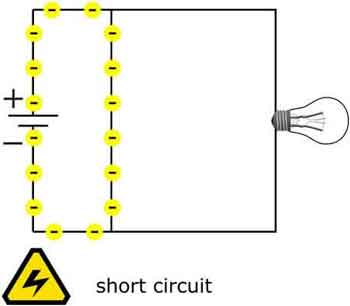
An arc fault occurs when the insulation around electrical wires is broken, allowing electricity to jump from one conductor to another. This produces a high-intensity electrical discharge, known as an arc. Arc faults can result from damaged wires, loose connections, or degraded insulation. These arcing conditions are dangerous because they produce intense heat, igniting surrounding materials and leading to electrical fires. A fault circuit interrupter AFCI is different from a standard circuit breaker. It is intended to de-energize the circuit when an arc fault is detected.
For a deeper comparison of protective devices, reviewing common circuit protection devices helps clarify where AFCI breakers fit alongside fuses, GFCIs, and surge devices.
How Can I Protect Against Arc Faults?
Protection against arc faults involves using specialized equipment such as AFCI circuit breakers and fault circuit interrupters. An arc fault circuit interrupter is designed to detect the unique electrical signatures of arcing faults and de-energize the circuit to prevent fires. Installing AFCI breakers in your home's electrical panel is a proactive measure to enhance safety. For additional context on how AFCIs complement other safety measures, the ground-fault protection overview shows how multiple protective layers work together to reduce the risk of electrical injury and fire.
Does the National Electrical Code (NEC) Require AFCI Protection?
Yes, the National Electrical Code (NEC) requires AFCI protection in many residential settings. According to the NEC, AFCI protection is required in various rooms, including family rooms, dining rooms, living rooms, parlours, libraries, dens, and bedrooms. These areas are prone to the use of portable electronic devices, which can increase the risk of arc faults.
Test Your Knowledge About Electrical Protection!
Think you know Electrical Protection? Take our quick, interactive quiz and test your knowledge in minutes.
- Instantly see your results and score
- Identify strengths and areas for improvement
- Challenge yourself on real-world electrical topics
Do CAFCI Circuit Breakers Provide a Higher Level of Protection Than an AFCI Receptacle?
Combination arc-fault circuit interrupter (CAFCI) circuit breakers offer a higher level of protection than AFCI receptacles. CAFCI breakers provide continuous protection for the entire branch circuit from the electrical panel to the outlets, whereas AFCI receptacles only protect downstream from the receptacle itself. Therefore, CAFCI circuit breakers are considered more comprehensive in detecting and mitigating arc faults. Homeowners often pair AFCIs with GFCI protection to address both arc-fault fire risks and ground-fault shock hazards in living spaces.
Which Will Cost Me More to Use — a CAFCI Circuit Breaker or an AFCI Receptacle? Which is Easier to Use?
CAFCI circuit breakers are generally more expensive than AFCI receptacles, but they offer broader protection. In terms of ease of use, AFCI receptacles are simpler to install and replace, making them a convenient option for specific applications. However, investing in CAFCI breakers is a prudent choice for overall safety and compliance with electrical codes. Modern codes increasingly emphasize dedicated AFCI protection in high-risk areas such as bedrooms, family rooms, and living rooms.
Prioritizing Protection: Bedrooms and Living Rooms
When prioritizing areas for AFCI protection, focus on bedrooms and living rooms. These spaces are frequently occupied and contain numerous electrical devices that can pose a risk if an arc fault occurs. Ensuring these areas have arc fault detection and protection is vital for safeguarding your home.
AFCI at the Breaker and GFCI at the Outlet
Combining AFCI protection at the breaker with ground fault circuit interrupter (GFCI) protection at the outlet is a recommended practice. GFCI protection is crucial for preventing ground faults, particularly in wet areas like kitchens and bathrooms. By using AFCI breakers and GFCI outlets, you achieve comprehensive protection against both arc faults and ground faults.
120V Circuits and AFCI Exemptions
Certain 120V circuits, such as those dedicated to furnaces, gas stoves, dishwashers, and refrigerators, may not require AFCI protection. These appliances are typically hardwired and less susceptible to the risks associated with plug-in devices. However, always refer to the latest NEC guidelines and consult with a licensed electrician to ensure compliance and safety.

240V Circuits: AFCI Considerations
For 240V circuits like well pumps, air conditioners, dryers, shop heaters, and welders, the need for AFCI protection varies. Generally, AFCI protection is not required for these circuits under current electrical codes. However, if your air conditioner is a minisplit system with a 6-20 plug, consult an electrician to determine the best approach for protection and code compliance.
Understanding the role of AFCI circuit breakers in preventing electrical fires is crucial for homeowners and professionals. By ensuring your home's electrical system is equipped with arc-fault circuit interrupters and following NEC guidelines, you can significantly reduce the risk of electrical fires. Prioritize protection in high-risk areas, combine AFCI and GFCI protection for comprehensive safety, and always stay informed about the latest electrical codes and best practices.
Related Articles
