Latest Lineman Safety Articles
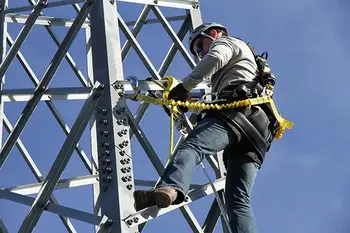
Keeping the Lineman and His Work Site Safe
Linemen and His Work Safe outlines OSHA compliance, PPE, fall protection, energized-line procedures, lockout/tagout, arc-flash mitigation, and hazard assessments to protect utility crews working on high-voltage distribution, transmission, and substations.
A Practical Guide to Linemen and Their Work Safety
Line-construction contractors can do their best to train the management, offer safety training and equipment and trust the foremen who are appointed to a job, but it is an inherently dangerous business. Despite all the safeguards, some new linemen say this is what some foremen tell them about safety procedures: “That’s the way you may have learned it in training,…
View more
Sign Up for Electricity Forum’s Lineman Safety Newsletter
Stay informed with our FREE Lineman Safety Newsletter — get the latest news, breakthrough technologies, and expert insights, delivered straight to your inbox.
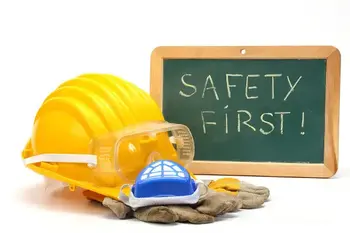
Electrical Lineman Safety Equipment - Tools of the Trade
Lineman safety equipment includes PPE, arc-flash gear, fall protection, insulated gloves, dielectric boots, hot sticks, rescue kits, grounding sets, and harnesses, engineered to OSHA and NFPA 70E standards for high-voltage electrical work.
How Lineman Safety Equipment Improves Electrical Safety
When working in close proximity to exposed energized equipment or working on live electrical circuits, it’s necessary to protect not only the equipment being worked on but also the worker. Rubber insulating gloves and insulated hand tools are vital components of a successful PPE system and should be used in conjunction with each other to provide the maximum protection for…
View more
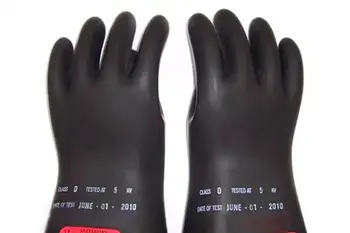
Hand Safety - Protective Gloves
Insulating rubber gloves protect electricians from shock with dielectric PPE, ASTM/IEC class ratings, arc-flash compatibility, and OSHA compliance, enabling safe high-voltage maintenance, live-line work, and substation testing when paired with leather protectors and regular recertification.
Key Concepts of Insulating Rubber Gloves
Rubber insulating gloves are among the most important articles of personal protection for electrical workers. To be effective, the gloves must incorporate high dielectric and physical strength, along with flexibility and durability. For superior performance they should meet and/or exceed the requirements of current American Society for Testing and Materials (ASTM) D120 specifications. Gloves should also be electrically…
View more
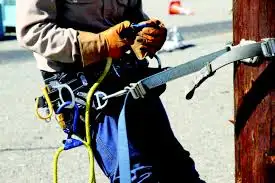
Fall Protection: The ABCs of Connecting Devices
Fall protection reduces fall hazards using harnesses, lifelines, guardrails, anchors, and PPE, supporting OSHA compliance, risk assessment, training, and safe work at height for construction, maintenance, and industrial operations and tasks.
Understanding Fall Protection: Principles and Applications
A personal fall protection arrest system (PFAS) is comprised of three vital components: an anchorage, body wear (full-body harnesses), and a connecting device (a shock-absorbing lanyard or self-retracting lifeline). The safety of at-height workers depends on these three components, and each one must be in place and used properly to provide maximum worker protection.When discussing fall protection, anchorage connectors and full body…
View more
Lineman Safety Standards
Lineman safety standards set OSHA-based rules, protective equipment requirements, and training practices to reduce electrical hazards, prevent falls, and keep utility and power line workers safe in transmission and distribution environments.
Lineman Safety Standards Explained: What You Need to Know
Understanding Lineman Safety Standards
Lineman safety standards represent the backbone of workplace safety in the electrical distribution industry. These standards encapsulate strict procedures, the use of specialized electrical lineman safety equipment, and up-to-date training. The overarching goal is to prevent workplace injuries and fatalities, given the high-risk environment linemen operate in daily.
Why Are Safety Standards Crucial?
Lineman…
View more
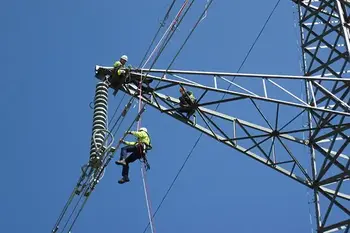
Testing Conditions and Guidelines for Personal Fall Protection Systems
Personal Fall Protection Systems mitigate falls via fall arrest and restraint using safety harnesses, lanyards, lifelines, and anchor points, supporting OSHA compliance, PPE best practices, and safe access on roofs, scaffolds, and elevated work platforms.
Personal Fall Protection Systems and Their Impact on Workplace Safety
1. PERSONAL FALL ARREST SYSTEMS(A) GENERAL TEST CONDITIONSLifelines, lanyards, and deceleration devices should be attached to an anchorage and connected to the body-belt or body harness in the same manner as they would be when used to protect employees, except that lanyards should be tested only when connected directly to the anchorage, and not…
View more