Approving power plants: Emission tax may be part of formula
Protective Relay Training - Basic
Our customized live online or in‑person group training can be delivered to your staff at your location.
- Live Online
- 12 hours Instructor-led
- Group Training Available
The PSC will meet today to adopt a seven-year energy plan that is designed in part to help implement Gov. Jim Doyle's global warming and renewable energy agenda, PSC Chairman Dan Ebert said.
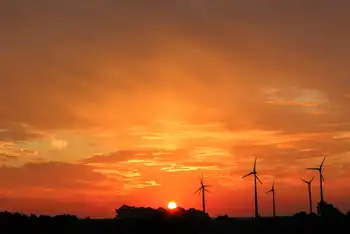
The plan, known as the Strategic Energy Assessment, calls for the agency to take steps in the area of global warming and boost the supply of renewable energy in the state. By 2015, state law requires that 10% of the state's electricity must be supplied by wind turbines, solar panels and waste-to-energy systems and other renewable energy sources.
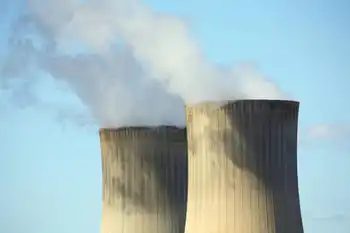
Those sources don't emit carbon dioxide, a greenhouse gas that is released by fossil fuel plants and vehicle tailpipes. Wisconsin relies more on coal-fired power plants in the makeup of its power supply than 37 other states, and the state's emissions of carbon dioxide are projected to grow by 10% by 2012 because of construction of new coal-fired power plants in Oak Creek and Wausau.
"Wisconsin needs to "respond to and to get out ahead of the global warming debate," Ebert said. "We all understand and recognize that there will be a lot of debate on the issue in Washington, D.C. That debate is welcome, but we need as a state to take some steps to really recognize the reality of global warming and adjust our policy accordingly."
The energy plan also calls for utilities to file requests to raise prices every other year rather than every year, as a way to promote price stability.
Wisconsin residents pay electricity prices that are the highest in the Upper Midwest and above the national average, after a run-up in recent years linked to costs for building new power plants and transmission lines as well as the price of natural gas. Rates paid by businesses are below the state average.